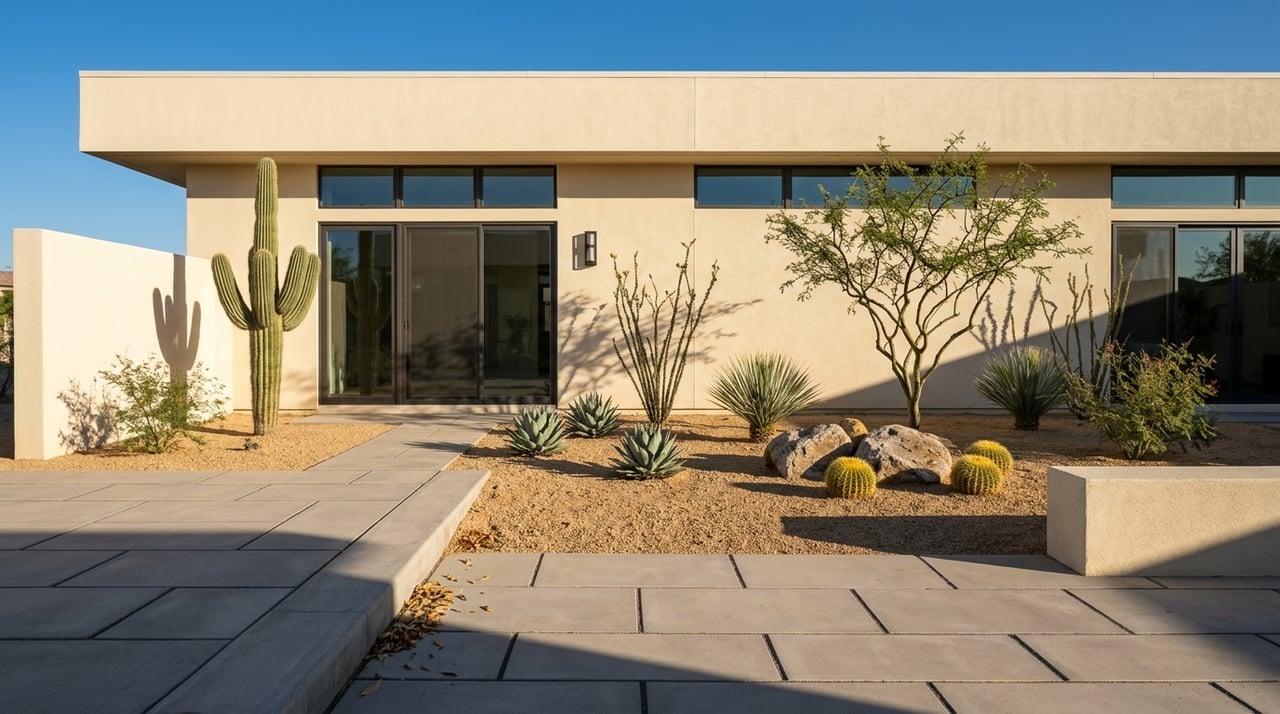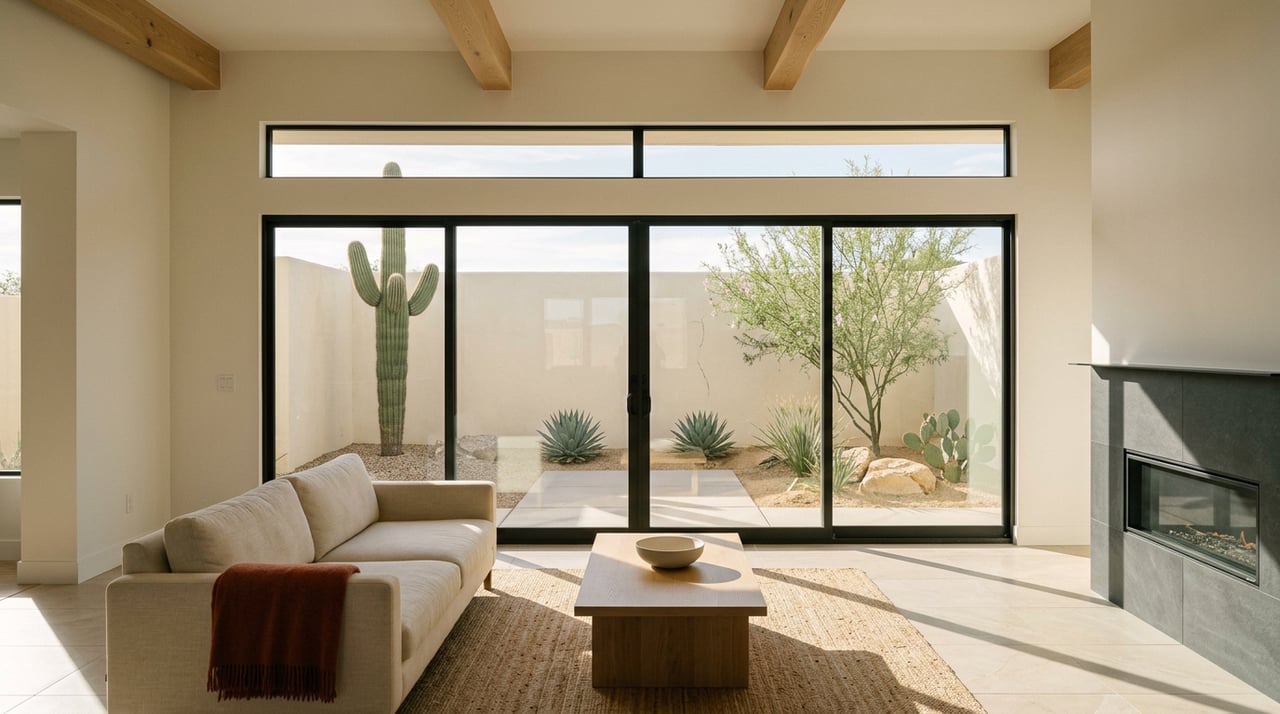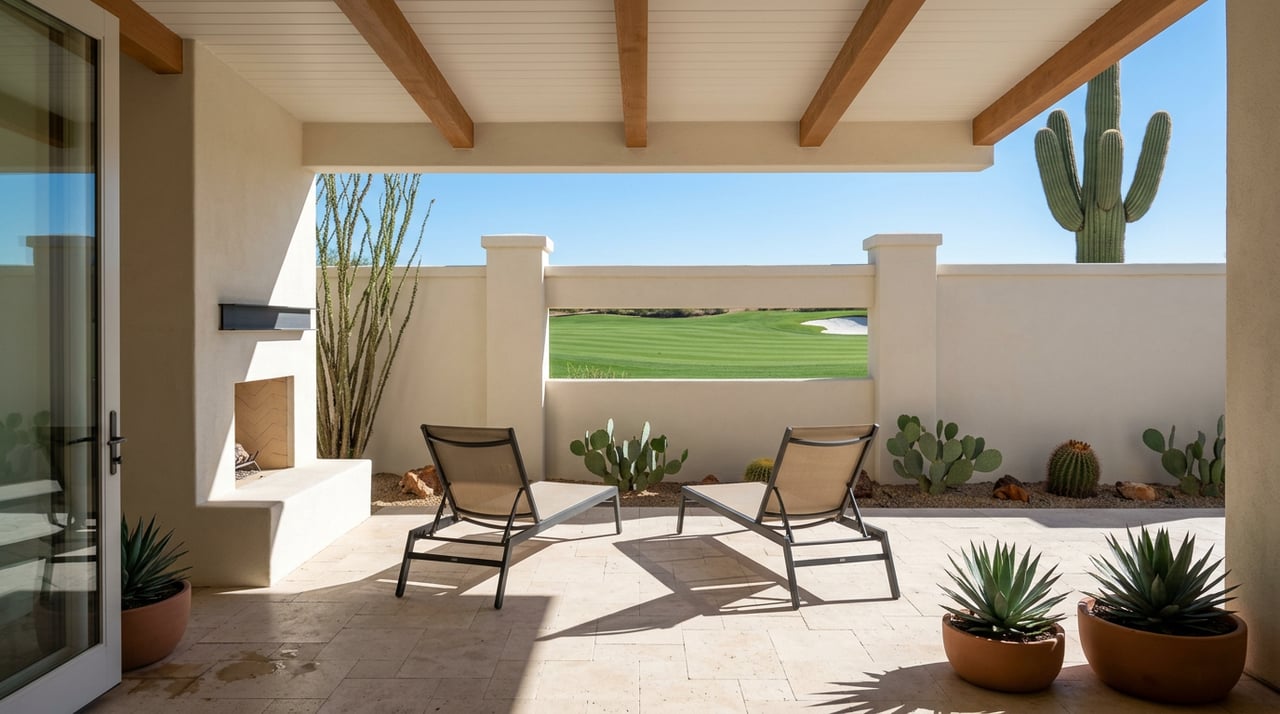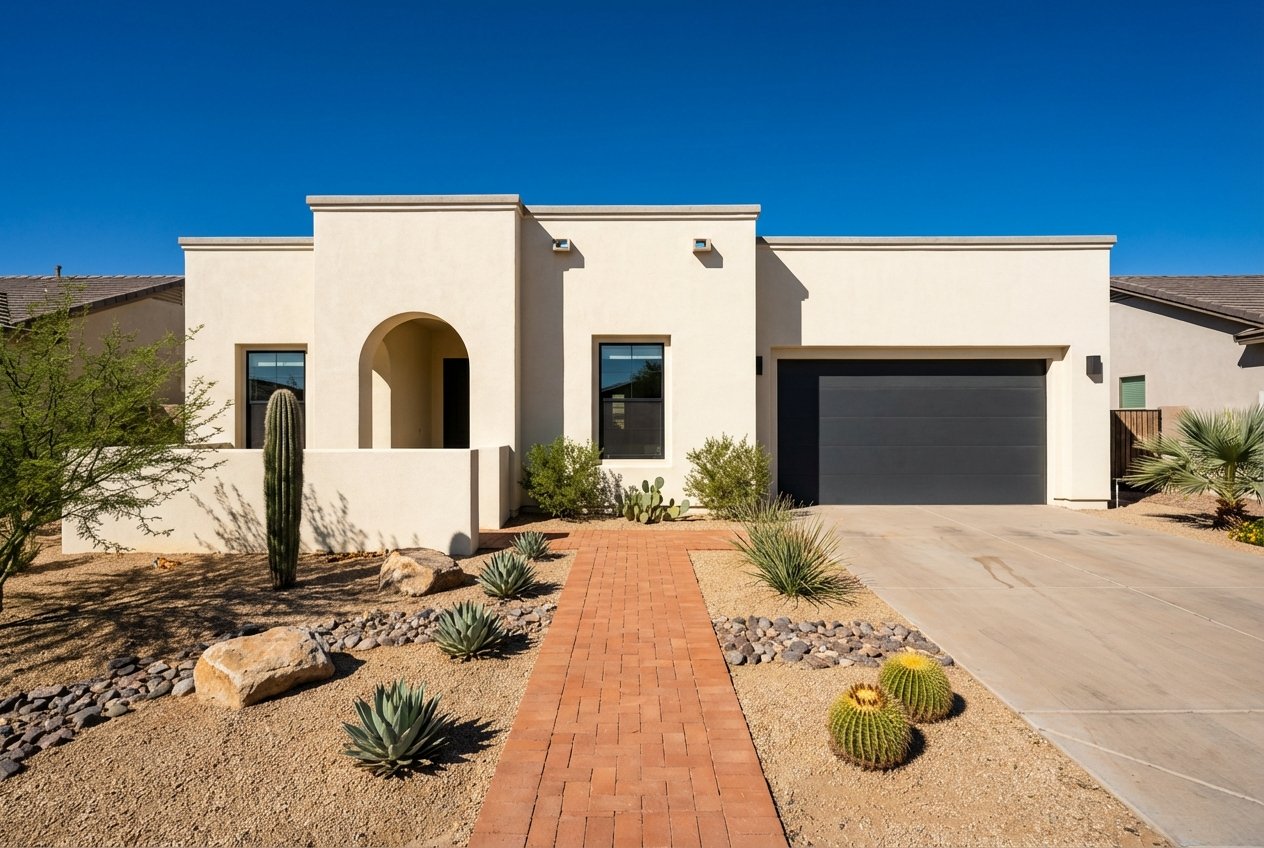
Is your timing working for you or against you? In Tanque Verde Valley, the right list date can mean more showings, stronger offers, and less time on the market. If you are aiming to move on a set schedule or attract a certain type of buyer, a smart timing plan will help you get there. In this guide, you will learn how local seasonality, weather, and inventory shape results in 85749, plus a simple checklist to choose your launch date with confidence. Let’s dive in.
The Tanque Verde market at a glance
Tanque Verde Valley (ZIP 85749) tends to sit above broader Tucson averages in both price and days on market. Recent portal snapshots for the zip show median days on market in the high 60s and a sale‑to‑list ratio in the high 90s, which signals steady demand at the right price point. You can see this in recent zip‑level views on both Realtor.com’s 85749 market page and Redfin’s 85749 dashboard.
Portals differ because they use different methods and time frames. For example, Zillow’s January snapshot put the typical 85749 home value (ZHVI) around $636,949, while other portals showed a median sale price in the low to mid $700Ks for their December view. You can compare that by looking at Zillow’s 85749 ZHVI next to Redfin’s zip summary. These are useful context checks, but the most reliable local source is the MLS. County and market‑area trends from MLSSAZ/Tucson Association of REALTORS® are considered authoritative. If you want official historical trends and price‑band detail, review the Tucson Association of REALTORS® market memos and ask for an MLSSAZ FastStats report for your price tier.
Bottom line: use the MLS for final pricing and timing decisions, and treat portal snapshots as quick consumer‑friendly context.
Seasonality in 85749: what really changes
Winter snowbird surge
From late fall through early spring, southern Arizona hosts a wave of seasonal visitors. Many are retirees or second‑home buyers who prefer turnkey and luxury properties. Local reporting cites November through March as the core window when out‑of‑state buyers are in town. If your home fits the lock‑and‑leave, views, or luxury profile, listing while winter visitors are present can boost buyer traffic. Learn more about the pattern from this overview of Arizona’s snowbird season.
One special event also helps: the Tucson Gem & Mineral Show. Peak weeks in late January and early February bring tens of thousands of visitors, including high‑net‑worth collectors. If you list during that period, you can benefit from more touring opportunities and agent attention. Check timing on the Gem Show schedule.
Spring: broadest buyer pool
March through May remains a strong selling period for many Tucson homes. Local families and relocation buyers often plan to be under contract in spring so they can close before summer. This season often shows shorter days on market in national analyses, and it aligns well with showcasing outdoor living, views, and landscaping as the desert blooms.
Summer slowdown
June through September brings extreme heat and the North American Monsoon. Heat reduces casual touring, and afternoon storms can disrupt showings or inspections. The result is slower foot traffic. If you must launch in summer, plan for morning and early‑evening showings and price with current supply in mind. For seasonal context, see the monsoon update for the Southwest.
Fall: a second wind
As temps drop in October and early seasonal visitors return, the market often gets a lift. This can be a strategic window if you missed spring or want to be active before the winter holidays.
Weather and showings: plan around monsoon
Weather shapes how buyers tour in Tucson. Heat and monsoon storms can affect everything from photography to inspection timing. Build these simple tactics into your plan:
- Winter: lean into cozy, well‑lit interiors and easy access for visiting buyers. If relevant, place open houses to overlap Gem Show peak weeks.
- Spring: schedule photos and showings when outdoor spaces, views, and landscaping look their best. Keep patios staged and ready.
- Summer and monsoon: set showings for earlier or later in the day, maintain cool indoor temps during tours, and keep pools, shade structures, gutters, and drainage in top shape. The monsoon season timeline can help you plan.
Good staging matters in every season. NAR research links staging to faster market times and improved outcomes. See NAR’s overview on staging benefits for ideas as you set a budget.
Use inventory and DOM to time your launch
Metrics that matter
A few numbers can help you pick the right week or month to list:
- Active and new listings: tells you how much competition you face now and what is coming.
- Months of supply: active listings divided by the average monthly closed sales. Around 6 months is often considered balanced. Below that can favor sellers; above that can favor buyers. You can review the formal definition in NAR’s guide to inventory and months’ supply.
- Days on market (DOM): how long comparable homes typically take to go under contract at your price tier. Portal DOM may not match MLS DOM, so rely on MLSSAZ for precision.
- Sale‑to‑list ratio: a quick gauge of price pressure. In recent portal snapshots for 85749, this ratio has been in the high 90s, which supports pricing close to fair market value when supply is tight. Review the latest figures on Realtor.com’s 85749 page.
Quick timing checklist
Use this short sequence to line up your date with your goals and the data:
- Pull three sources: an MLSSAZ FastStats report for 85749 by price band, one portal view for quick context, and a comparative market analysis for immediate comps. The TAR/MLSSAZ market memos show how MLS trends differ from portal snapshots.
- Calculate months of supply for your price band. If supply is low and DOM for your tier is trending shorter than usual, a launch now may work. If supply is high, consider waiting for spring or fall strength or adjust price and incentives. See NAR’s definition of months’ supply.
- Match timing to life events. If you need to move by early summer, target a February to April launch. If you want snowbird attention, be live by October through January and consider Gem Show overlap.
- Prep and schedule. Allow 4 to 8 weeks for repairs, staging, marketing, and photography. Plan photos outside stormy afternoons.
- Plan the close. Most financed deals take 30 to 60 days from contract to closing. Here is a helpful overview of typical timelines from moving industry guidance.
Timing plays by seller goal
- Move before the school year: Start prep in January, list in February to April, and aim to be under contract by late spring. This keeps your closing in the 30 to 60 day range and avoids the slowest part of summer.
- Target snowbird and second‑home buyers: Prep in late summer or early fall and go live between October and January. Try to catch late January or early February activity during the Gem Show.
- Sell now and move quickly: If your timeline is firm during the summer, price to current supply, schedule morning and evening showings, and keep your home cool and easy to tour. Consider that activity may be slower until fall.
- Showcase outdoor living and views: If your home’s value leans on patios, pool, and mountain views, spring and fall can present those spaces at their best light and temperature.
Prep timeline: 4 to 8 weeks that pay off
A short, focused prep window can improve your market speed and your net. Use this simple plan:
- Weeks 1 to 2: repairs, service HVAC, refresh paint where needed, and schedule landscapers. Pull any permits or receipts you plan to share with buyers.
- Weeks 2 to 3: declutter, stage key rooms, and set aside a small budget for curb appeal. Use NAR’s staging tips and benefits as a guide.
- Weeks 3 to 4: book professional photography and videography. If you are in monsoon season, ask for a morning slot and a backup day.
- Weeks 4 to 6: finalize pricing with current MLS comps, proof your marketing, and set your go‑live date to match your target buyer pool.
- Weeks 6 to 8: launch with strong first‑week visibility, then use feedback and showing data to confirm pricing or adjust.
The bottom line for 85749 sellers
There is no one “perfect” month for every home, but Tanque Verde Valley follows clear patterns. Winter brings seasonal, often cash buyers. Spring offers the broadest base of local and relocating buyers. Summer slows, then fall revives as temps cool. If you align your list date with your price band, supply, and personal timing, you give your sale the best chance to move quickly and cleanly.
If you want a precise, price‑band plan for your home, reach out. With decades of local experience and elevated listing marketing, Rebecca Maher can pull the right MLSSAZ data, tailor the launch to your goals, and position your property to stand out in 85749.
FAQs
What month is best to list a home in Tanque Verde Valley?
- For most sellers, March through May delivers broad demand and shorter days on market, while October through January is strategic for attracting snowbirds and second‑home buyers.
Does the Tucson Gem Show affect homebuyer traffic near 85749?
- Yes. Late January and early February bring increased out‑of‑town visitors and agents, which can lift showing activity; check the Gem Show schedule when planning.
How do monsoon storms affect inspections and appraisals in Tucson?
- Afternoon storms can delay or reschedule inspections and create temporary curb‑appeal issues; plan photos and showings for mornings and keep drainage and roofing well‑maintained during the monsoon season.
What is months of supply and why does it matter in 85749?
- Months of supply is active listings divided by average monthly sales; around 6 months is considered balanced, and lower levels can favor sellers. See NAR’s definition for details.
How far in advance should I prepare my Tanque Verde home for sale?
- Allow 4 to 8 weeks for repairs, staging, and marketing, then plan on 30 to 60 days from contract to close; review timelines from moving industry guidance.