Catalina Foothills vs Oro Valley: Choose Your Lifestyle
November 27, 2025
November 27, 2025
Torn between the Catalina Foothills and Oro Valley? You are not alone. Both offer desert scenery, strong community amenities, and access to the Santa Catalina Mountains, yet they feel different day to day. In this guide, you will compare homes, costs, lifestyle, and practical buyer checks so you can choose the right fit with confidence. Let’s dive in.
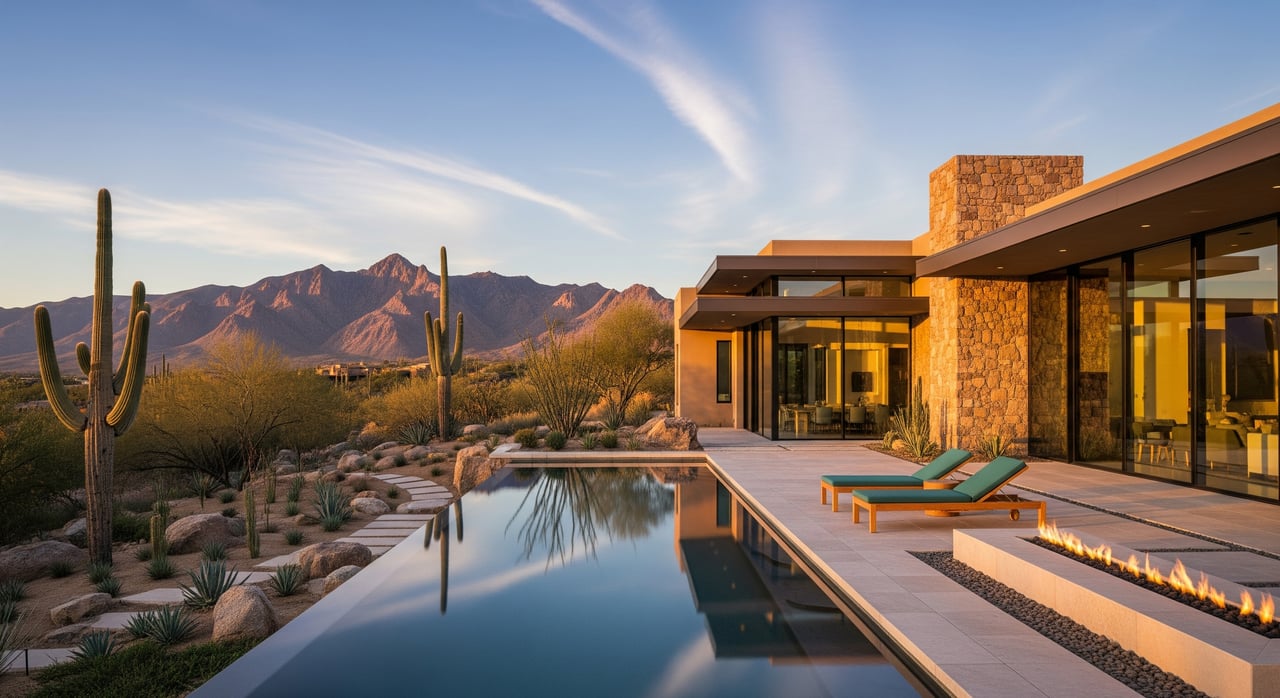
If you want big views and privacy, you will see a lot to love in the Catalina Foothills. Many homes sit on larger, hillside lots with custom architecture and dramatic mountain or city vistas. Services come through Pima County rather than a town government, and some pockets feel semi rural.
If you prefer newer neighborhoods and consistent planning, Oro Valley offers master-planned communities, parks, and town services. You will find a broader mix of housing types and age-restricted options. Many buyers appreciate the town’s civic structure and community programming.
The big picture: Catalina Foothills often commands higher prices per square foot due to view and lot premiums, while Oro Valley covers a wider range of price tiers within a planned suburban fabric.
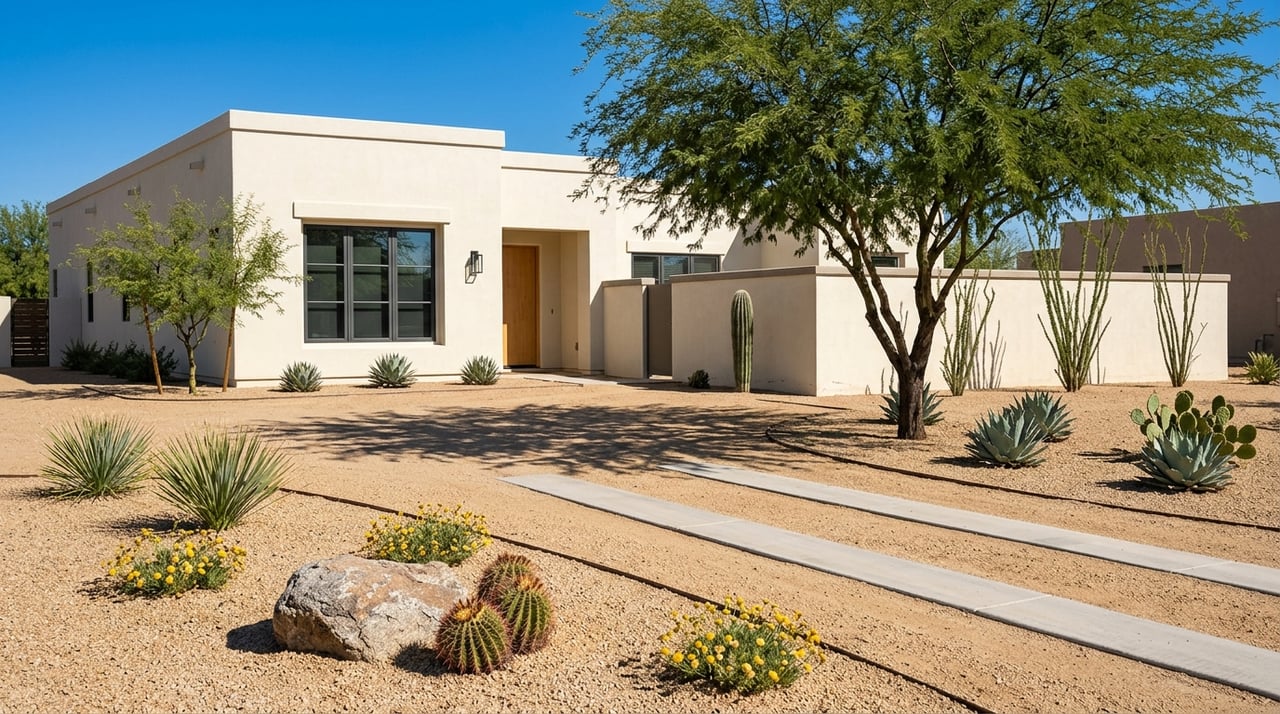
In the Catalina Foothills, expect custom and luxury homes, mid-century modern gems, and fewer dense subdivisions. Lots are often sloped, with retaining walls and private drives. Orientation and elevation can make a major difference in light, views, and privacy.
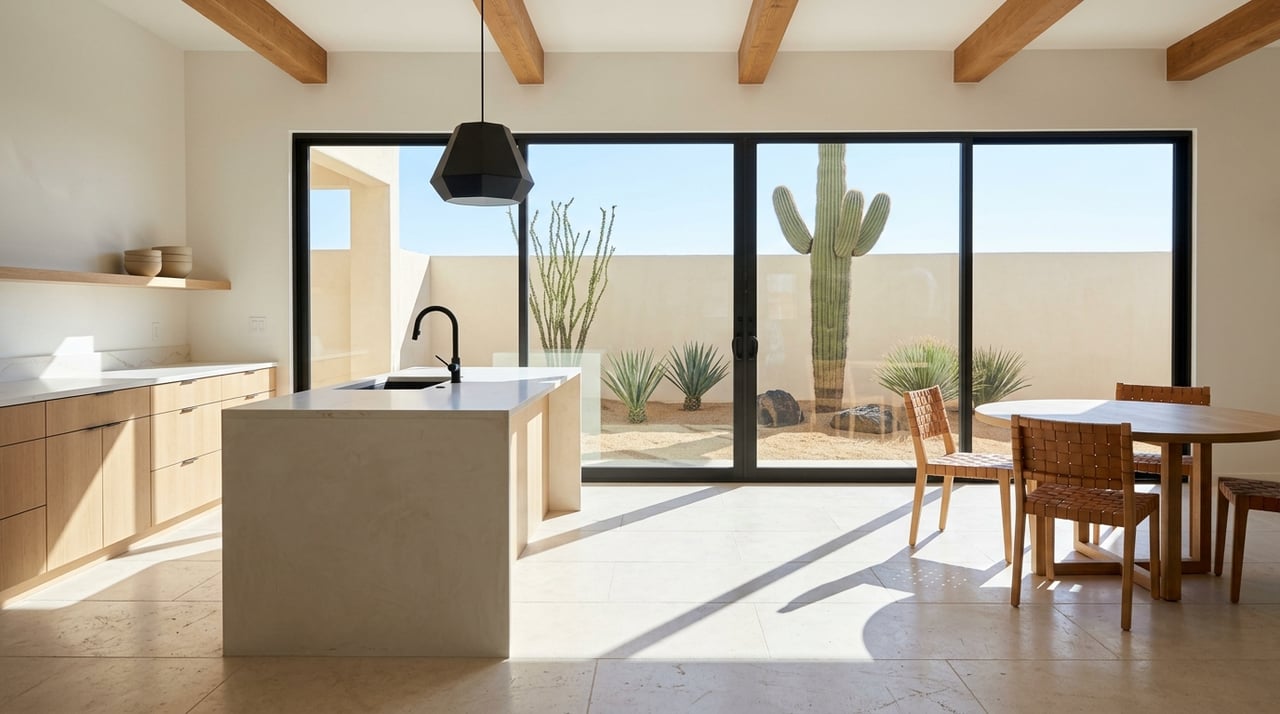
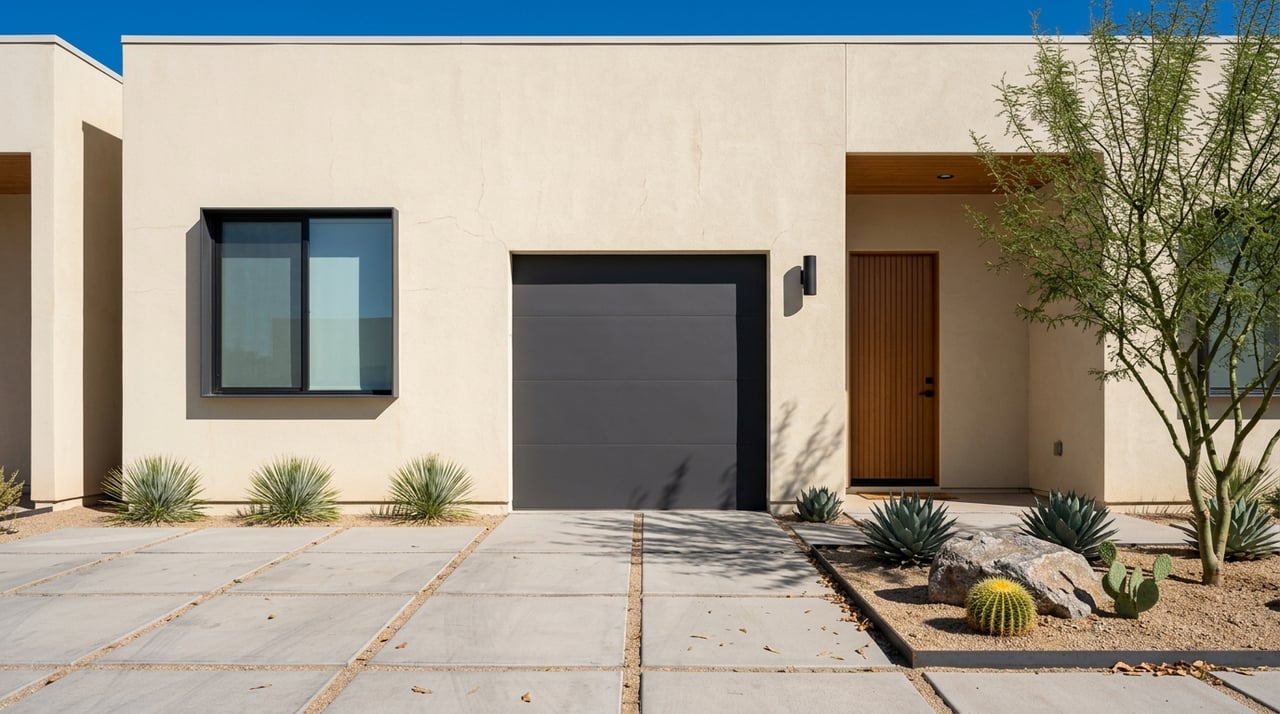
In Oro Valley, you will see single-family homes, townhomes, and age-restricted communities within planned neighborhoods. Lots are often flatter with graded pads, and many communities include amenities like pools, trails, and club facilities. Newer construction is more common here.
If views drive your decision, the Foothills’ hillside settings can deliver. If you want amenities at your doorstep, Oro Valley’s master-planned approach is a strong match.
Both areas are high demand within greater Tucson. Catalina Foothills generally skews higher on pricing due to lot size, custom builds, and view premiums. Oro Valley tends to offer a broader range of price points.
Property tax is assessed by Pima County and varies by value and local districts. Arizona’s property taxes are moderate compared with national norms, but higher home values can mean higher taxes in dollars. Always verify the exact tax bill with the County Assessor for any property you are considering.
HOAs and community rules matter in both places. In the Foothills, many neighborhoods have HOAs or deed restrictions with architectural reviews that address hillside design, rooflines, materials, and view protection. In Oro Valley, you will navigate a consistent municipal permitting process, plus subdivision HOAs where applicable. Review CC&Rs, fees, and any assessments early.
On utilities, Oro Valley subdivisions more consistently connect to municipal water and sewer. Catalina Foothills properties can vary, especially on larger or more remote lots where septic or private wells are possible. Confirm utility status early in your search.
Catalina Foothills sits just north of central Tucson, which can shorten drives to the University of Arizona and downtown, depending on your exact neighborhood and traffic. Public transit is limited relative to urban cores, so most residents rely on cars.
Oro Valley is farther north. Commutes to central Tucson are usually longer, while access to employers in the northwest and within Oro Valley itself is convenient. Both areas are car dependent, with limited regional bus routes and ride services.
Catalina Foothills is served by the Catalina Foothills School District and other nearby districts. Many families consider these schools well regarded. District boundaries vary by address, so confirm your assignment with official district tools and state report cards.
Oro Valley is largely served by Amphitheater Unified School District and nearby districts. Amphitheater offers multiple elementary and middle schools, with boundary lines that can shift. Always verify school assignments for a specific property.
If you want trailheads close by, both areas deliver. The Foothills offers quick access to Sabino Canyon and the Coronado National Forest, along with private country clubs and golf. Oro Valley features Honeybee Canyon, Pusch Ridge access, town parks, and Catalina State Park from different entry points. Hiking, biking, and birding opportunities are excellent in both.
In the Foothills, La Encantada anchors upscale retail and dining, and proximity to Tucson’s cultural institutions is a plus. Oro Valley offers the Oro Valley Marketplace, a mix of restaurants and services, and community events in town parks. For major hospitals and specialized care, both areas rely partly on greater Tucson. Oro Valley has local clinics and medical centers nearby, while the Foothills is within a short drive of central Tucson hospitals depending on where you live.
Oro Valley is an incorporated town with its own police department, planning, and parks services. Catalina Foothills is unincorporated and relies on Pima County Sheriff and county services, along with regional fire districts. Station location and terrain can influence response times. If this is important to you, check agency jurisdiction and proximity for any property you are considering.
Hillside and soils. Sloped Foothills properties may require geotechnical evaluations, especially for older grading or split-level construction. Ask for documentation of any slope stabilization, retaining walls, or drainage systems, and inspect for erosion.
Wildfire and vegetation. Both areas sit in the Sonoran Desert with brush and mountain interface. Request a Wildland-Urban Interface risk assessment if available, follow local defensible space guidelines, and budget for ongoing vegetation management.
Flood and stormwater. Desert washes can carry fast water during storms, and steep terrain can amplify runoff. Verify FEMA flood zones, local wash designations, and any county drainage permits tied to the property.
Septic and sewer. A septic system introduces maintenance and replacement cycles, and it can limit expansion plans. If a property is on septic, schedule a full inspection and pumping, and confirm setbacks for potential improvements.
Access and easements. Long or steep driveways need upkeep. Confirm who maintains private roads, how costs are shared, and whether emergency vehicles can reach the home.
Pests and energy. Desert pests, including termites, are common. Order a termite inspection and check roof age, insulation, and HVAC efficiency. Solar can help with cooling costs. Review utility rules for net metering and any HOA guidelines.
Catalina Foothills buyers often pay a premium for views, lot size, and trail proximity. Preserve those advantages with thoughtful landscaping, drainage upkeep, and documentation of hillside work. Keep records of architectural approvals and permits for future buyers.
In Oro Valley, community amenities and newer construction can broaden appeal. If you plan to sell, assemble HOA documents, highlight neighborhood parks and paths, and share records of town permits for remodels. In both areas, clean inspections and clear documentation reduce friction for buyers.
Choose the Catalina Foothills if you value privacy, hillside settings, custom design, and dramatic views. You will likely trade for a more individualized permitting path and attention to geotechnical details.
Choose Oro Valley if you want planned neighborhoods, municipal services, and a range of home types and ages. You will likely trade for consistent HOA frameworks and easy access to community amenities.
Not sure yet? Build a shortlist in both areas and compare three things side by side: lot character and views, commute pattern based on your real routes, and the rules that apply to your plans for future improvements. A clear, property-by-property comparison usually makes the decision obvious.
Ready to compare properties or confirm HOA and permitting details for your shortlist? Reach out to Rebecca Maher for local guidance that blends decades of neighborhood knowledge with a smooth, client-first process.
Stay up to date on the latest real estate trends.

Whether you're buying, selling, or just exploring Tucson real estate possibilities, Rebecca Maher is here to help.