Why do two Catalina Foothills homes with similar square footage sell for very different prices? In the $800K-plus tier, subtle differences in views, land, and design can add up to major price swings. If you are planning to buy or sell, understanding these drivers helps you make confident decisions and avoid surprises. This guide breaks down the key factors that move value in the Foothills and how to evaluate them like a pro. Let’s dive in.
What “luxury” means here
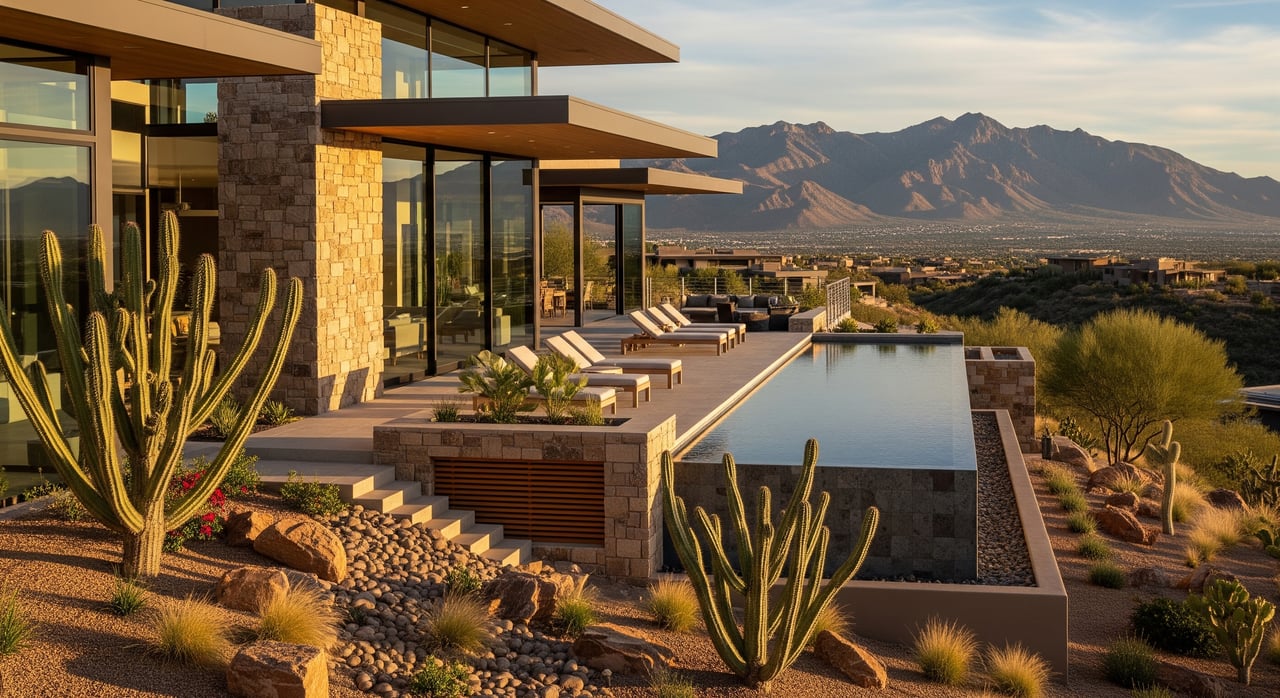
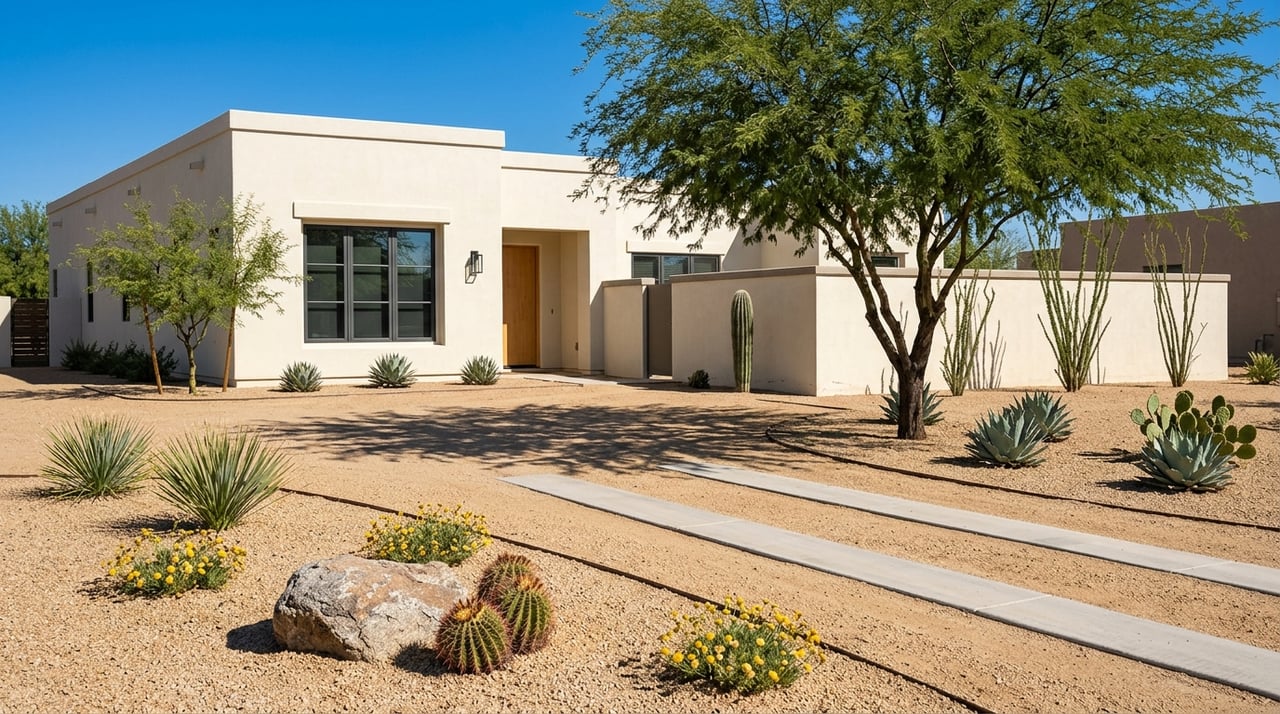
In Catalina Foothills, luxury typically starts around $800,000 for single-family homes. Properties often feature custom design, premium systems, pools, and outdoor living areas that blend with the Sonoran Desert. Large lots, privacy, and dramatic mountain or city-lights views are common differentiators.
Catalina Foothills is its own submarket within greater Tucson. Price behavior and buyer preferences here differ from central Tucson and other suburbs. For current pricing trends, rely on the local MLS and Pima County public records, not national averages.
The big three value drivers
Views that sell
Unobstructed Catalina Mountain, valley, and city-lights views are scarcity features that can command the largest premiums. The permanence of that view matters as much as the angle itself.
What to evaluate:
- View type and intensity: mountain face, city lights, sunrise or sunset.
- Permanence: risk of future obstruction from uphill development.
- Orientation: how main living areas and patios capture the view.
- Elevation and sightlines: look at setbacks and neighboring rooflines.
Local tip: Check current permit and zoning filings for hillside parcels above the property to gauge view permanence.
Usable land and topography
In the Foothills, raw acreage is less important than usable acreage. A smaller, flatter lot with a spectacular view can outvalue a larger, steep lot without view corridors.
What to evaluate:
- Buildable pad size and orientation for views and sun.
- Slope, retaining walls, and driveway access.
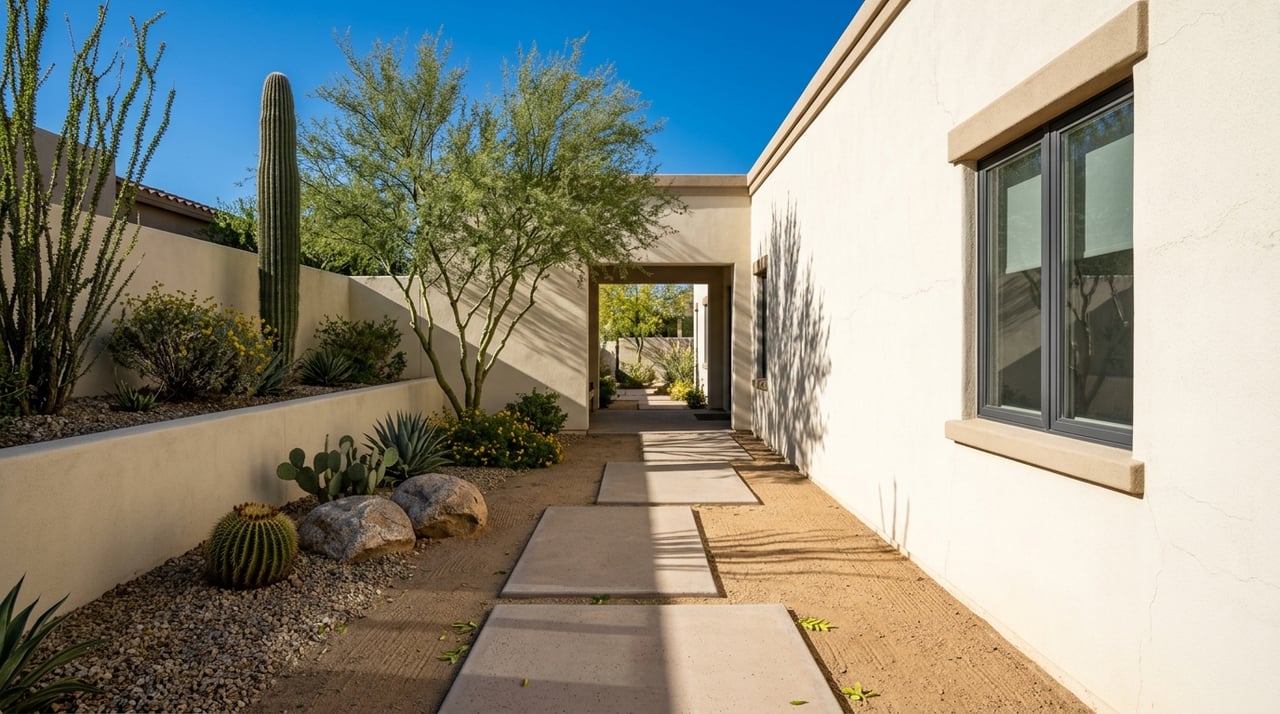
- Desert landscaping, irrigation needs, and utility easements that reduce usable area.
- Potential costs for grading, walls, or utility extensions.
Architectural quality and design
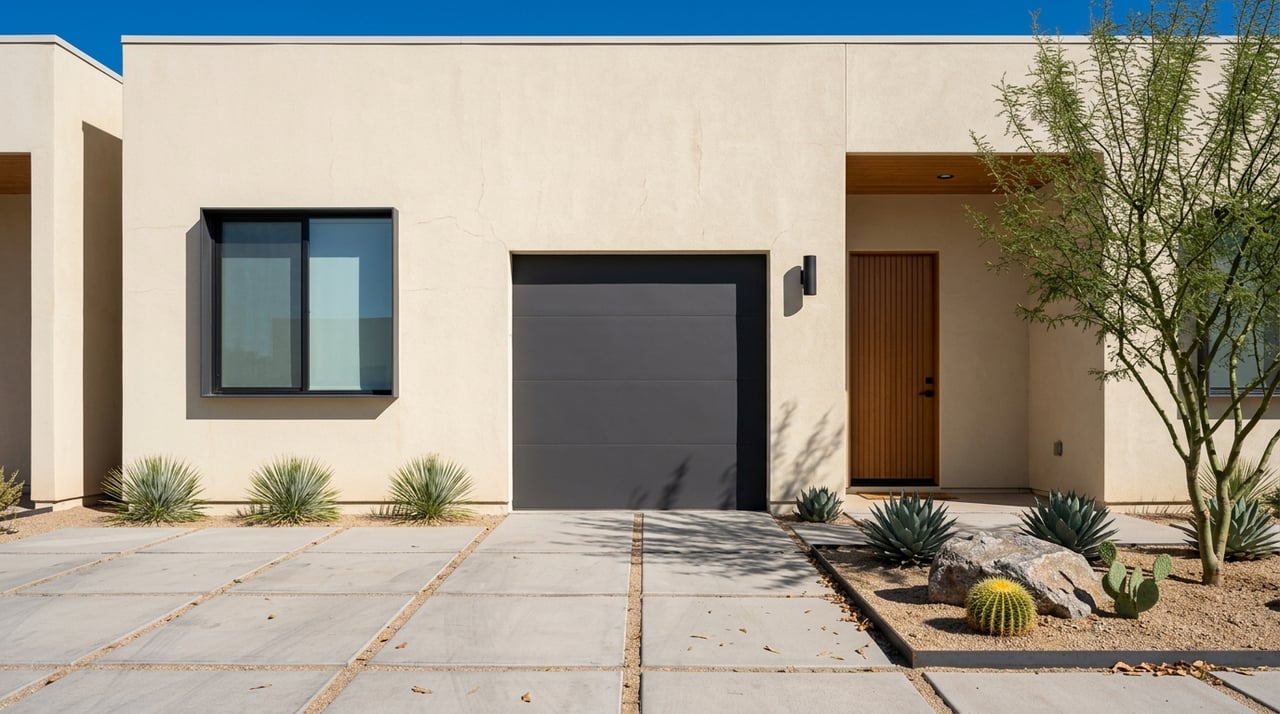
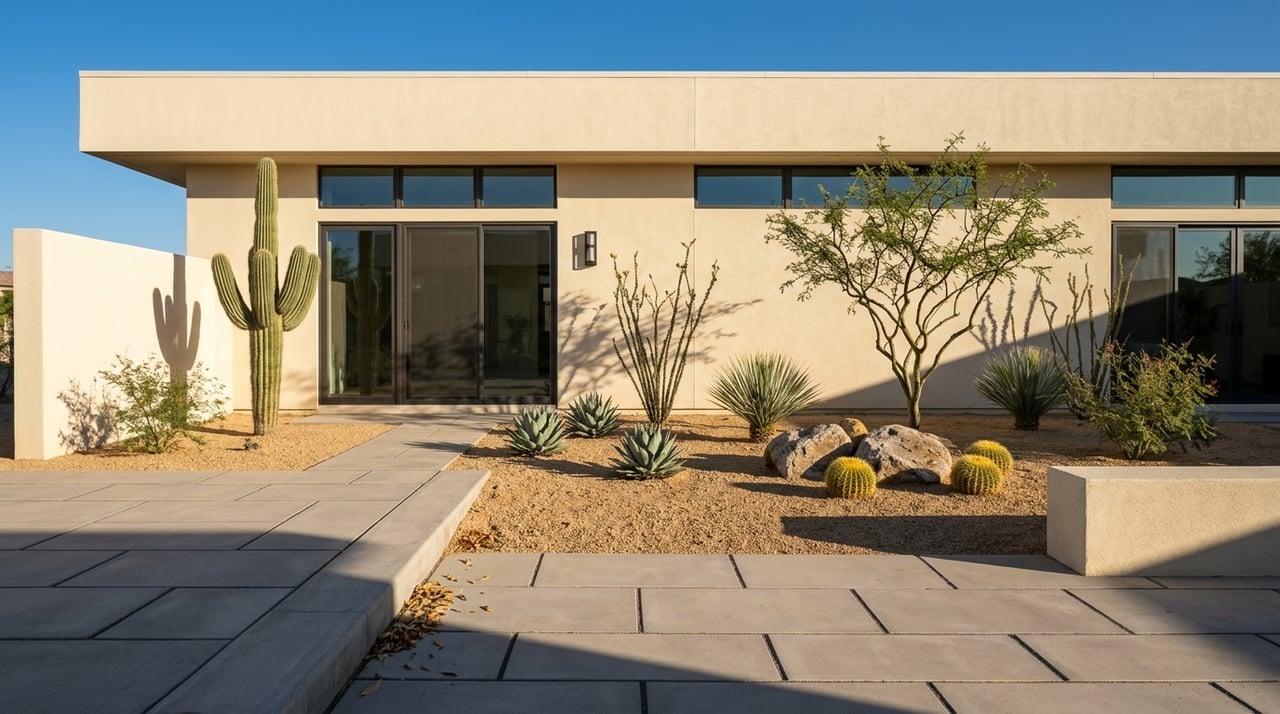
Authentic, climate-responsive architecture with quality materials and craftsmanship performs well over time. Classic regional styles and well-executed contemporary desert designs often see stronger demand than generic builds.
What to evaluate:
- Designer or architect pedigree and documented permits.
- Construction quality, systems, and extent of upgrades.
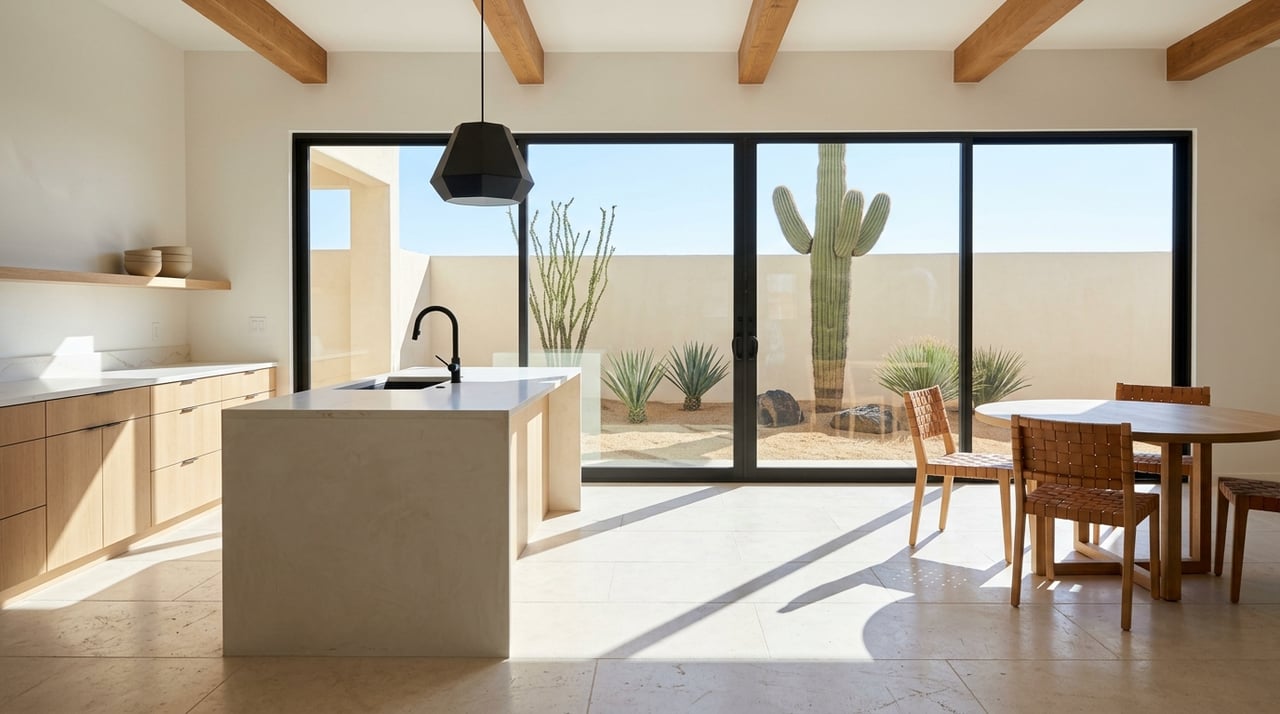
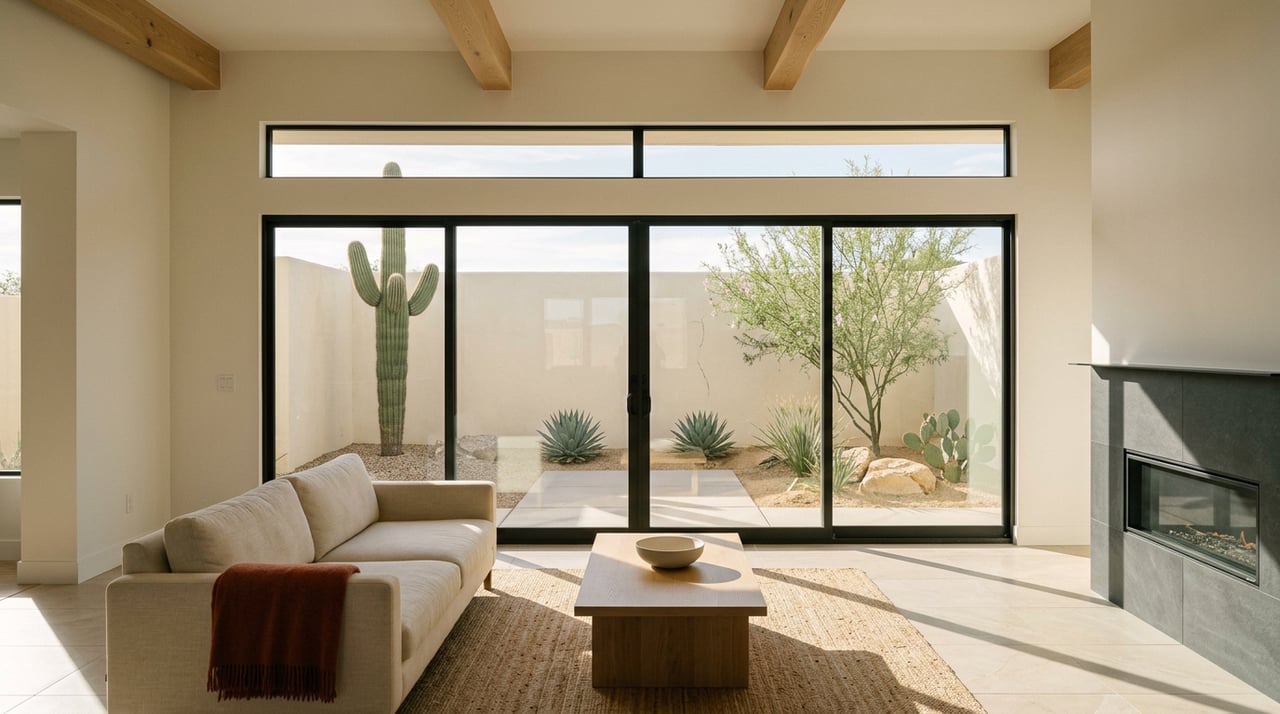
- Floor plan functionality and indoor-outdoor flow.
- The balance between distinctive design and broad market appeal.
Secondary drivers that shift demand
School boundaries and access
Strong school options can be a tie-breaker for many buyers and may reduce days on market. Always verify exact school boundaries and performance on official sources, as boundaries do not always follow neighborhood lines.
What to evaluate:
- Confirmed school assignments for the parcel.
- State-reported performance metrics and graduation data.
- Distance to elementary, middle, and high schools.
Gated streets, HOAs, and amenities
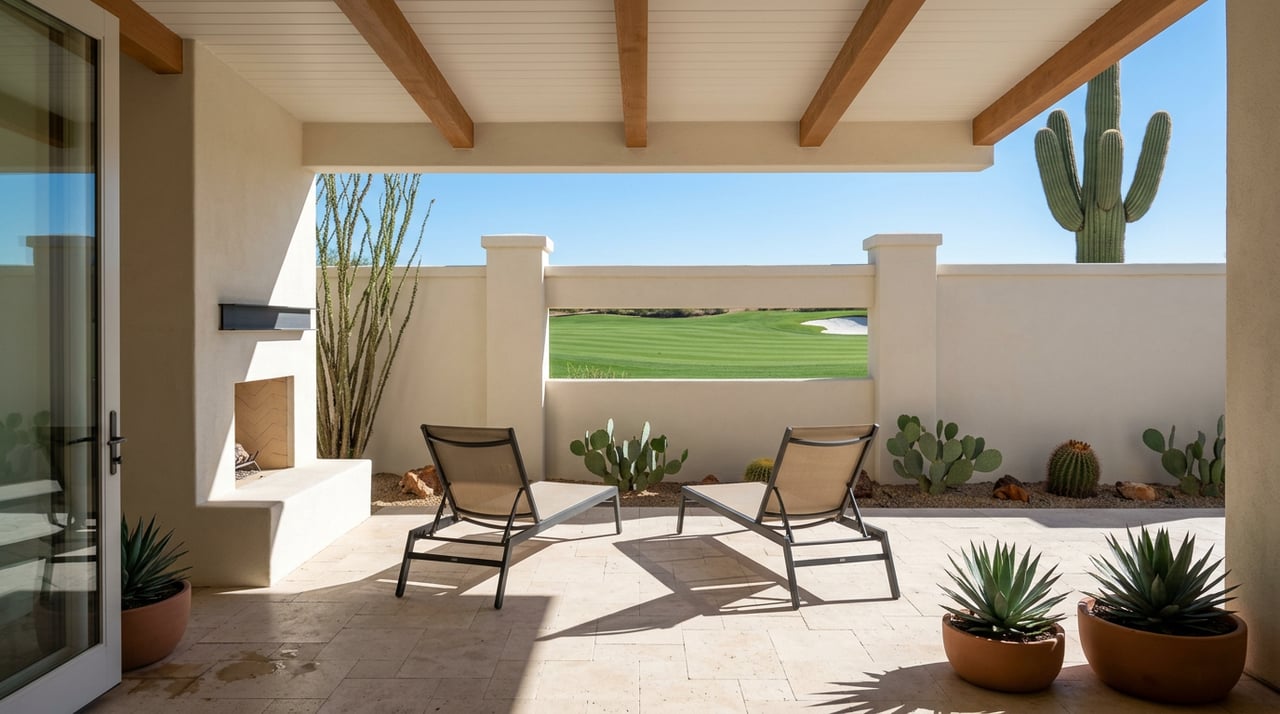
Gated communities and managed neighborhoods can command premiums when they provide well-maintained roads, architectural control, and amenities like trails, pools, or golf access.
What to evaluate:
- Gate type and access control.
- HOA fees, reserves, and what dues include.
- CC&Rs affecting architecture, landscaping, and rentals.
- Road ownership and maintenance responsibilities.
Note the tradeoff: Some buyers prefer no HOA or fewer restrictions, so the premium depends on preferences and HOA quality.
Micro-location and elevation
Micro-locations near preserves, golf clubs, or landmark enclaves often carry premiums. Proximity to major arterials, shopping, and medical services also matters. Slightly higher elevations can provide cooler evenings, better breezes, and stronger views.
Condition, systems, and outdoor living
In the luxury tier, many buyers expect turnkey condition. Deferred maintenance can reduce price more than the repair cost suggests.
What to evaluate:
- Mechanical, electrical, and plumbing systems’ age and capacity.
- Pool condition, equipment, and outdoor kitchens or ramadas.
- High-impact interior updates like kitchens and baths.
- Mature landscaping for privacy balanced against irrigation and upkeep.
Risk and due diligence checklist
Before you write an offer or list your home, verify:
- View permanence: recorded plats and current permit filings uphill.
- Easements and drainage: washes, utility corridors, and rights-of-way.
- Unpermitted improvements: additions, casitas, or pools lacking permits.
- Road access and maintenance: private road obligations and costs.
- Insurance considerations: wildfire exposure, slope stability, and flood zones.
- Water supply: municipal vs well, irrigation lines, and any usage constraints.
- HOA documents: rental rules, architectural controls, and special assessments.
- Zoning or proposed developments that could alter neighborhood character.
Building smarter comps in the Foothills
Luxury comps require more precision than a simple price-per-square-foot view. Control for view intensity, usable land, architectural quality, and micro-location.
How to approach comps:
- Start with the local MLS and Pima County records for closed sales in the same subarea.
- Use a 12 to 24 month window for $800K-plus sales, adjusting older comps for appreciation as needed.
- Pair similar homes to isolate view premiums when possible. If not, group sales with similar lots and construction quality and estimate a view adjustment.
- Treat price per square foot with caution. Supplement with price per usable acre if the parcel is large.
- Adjust for big-ticket upgrades based on recent local contractor cost ranges, not just subjective labels.
- Evaluate market context: days on market, list-to-sale ratios, and whether sales were arms-length.
Appraisal, lending, and negotiation tips
Appraisals can be challenging when few direct comps exist or when value hinges on a dramatic view. Lenders may apply extra scrutiny for very large lots, unique designs, or deferred maintenance. Cash is common at the ultra-luxury end.
Buyer levers:
- View permanence, private road obligations, HOA reserves, and recent comps.
- Credits for inspections or remediation when issues are confirmed.
Seller levers:
- Documented upgrades and permits, plus pre-list inspections.
- Professional photos that showcase sightlines and indoor-outdoor living.
- Clear presentation of HOA amenities and neighborhood context.
Seasonality and liquidity in $800K-plus
This price band is a smaller slice of the market, so inventory and buyer activity can swing more sharply than the broader Tucson area. Track active listings, days on market, and list-to-sale ratios specifically for the Foothills luxury tier when timing a purchase or sale.
How to maximize your sale
Sellers can put the big drivers to work with a focused plan:
- Showcase the view: trim and frame sightlines, time photos for golden hour and city lights.
- Prove quality: list permits and dates for roof, HVAC, pool, and major renovations.
- Stage outdoor living: refresh hardscape, lighting, and seating zones.
- Clarify land use: map the buildable pad, easements, and privacy features.
- Prepare documents: HOA disclosures, CC&Rs, surveys, and recent inspections.
Buyers can evaluate value with confidence:
- Analyze view intensity and permanence relative to nearby sales.
- Quantify improvement costs for grading, walls, or systems before offering.
- Verify hazards, access, water, and HOA rules early in due diligence.
- Consider consulting a local appraiser upfront for unique properties.
Work with a local luxury advisor
Catalina Foothills luxury is nuanced. You deserve guidance from a second-generation, locally rooted expert who understands how views, land, and design converge to shape price. With more than 25 years in Tucson’s eastern markets and boutique, white-glove marketing, Rebecca helps you price precisely, present beautifully, and negotiate with confidence. Ready to explore next steps in the Foothills? Connect with Rebecca Maher for tailored advice and a plan that fits your goals.
FAQs
What drives price gaps between similar-size Foothills homes?
- In this market, premiums often hinge on view intensity and permanence, usable land and topography, and architectural quality, with condition, micro-location, and HOA factors close behind.
How do school boundaries affect luxury values in Catalina Foothills?
- Verified school assignments and proximity can increase buyer demand and reduce days on market; always confirm parcel-specific boundaries and consult official performance data.
Are gated communities worth the premium in the Foothills?
- Many buyers will pay more for controlled access, maintained roads, and amenities, but the premium depends on gate type, HOA reserves, fees, CC&Rs, and personal preference.
How does elevation impact value and daily living?
- Slightly higher elevations can bring stronger views and cooler evenings, which some buyers prefer, but also consider wind exposure, driveway slopes, and access.
What due diligence should I do on wildfire and flood risk?
- Review insurance requirements and check wildfire exposure, FEMA flood maps, and local drainage; confirm any slope stability or wash-related constraints during inspections.
What is the best way to price my Foothills luxury home?
- Build comps from the local MLS and county records, control for view and land usability, adjust for major updates, and consider a 12 to 24 month window for similar $800K-plus sales.