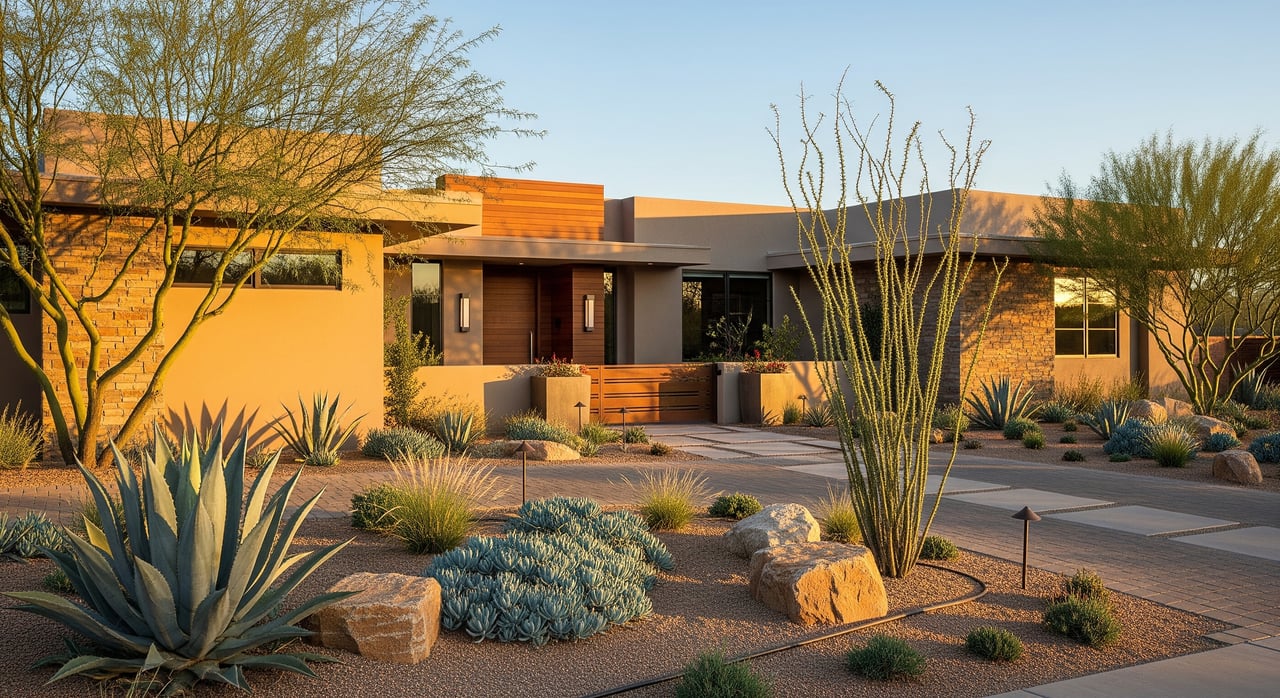
Tired of watching your water bill climb while your front yard struggles in the summer heat? In 85704, you can create standout curb appeal that fits the Sonoran Desert and uses far less water. With a few smart upgrades, you’ll boost your home’s first impression and reduce weekly maintenance. This guide shows you the low‑water ideas buyers love in Tucson, from plant picks to irrigation tips and simple fixes that sell. Let’s dive in.
Why low‑water curb appeal matters in 85704
You live in the Sonoran Desert, which means long, hot summers, a summer monsoon season, and mild winters. Rain is limited and arrives in bursts, so traditional lawns can be thirsty and hard to keep green. Buyers in Tucson value landscapes that look polished without heavy watering or constant care. You can meet that expectation with drought‑tolerant design that still feels welcoming and refined.
Local agencies encourage water‑wise landscaping, and rebates for things like turf removal or rainwater capture have been available in recent years. Always check current programs and rules with Tucson Water before you start. You should also review any municipal watering schedules during drought conditions and plan your irrigation accordingly.
Design moves with big impact
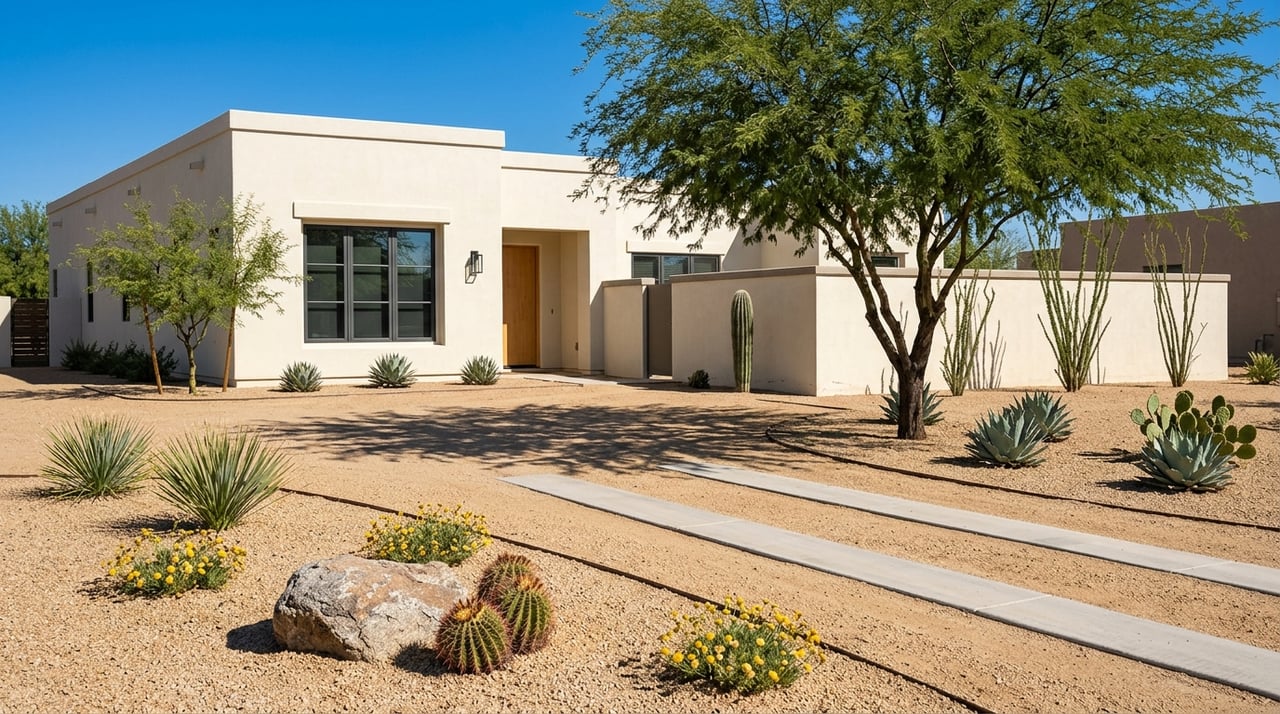
You do not need a large lawn to make your home stand out. Focus on structure, contrast, and a clear path to the door.
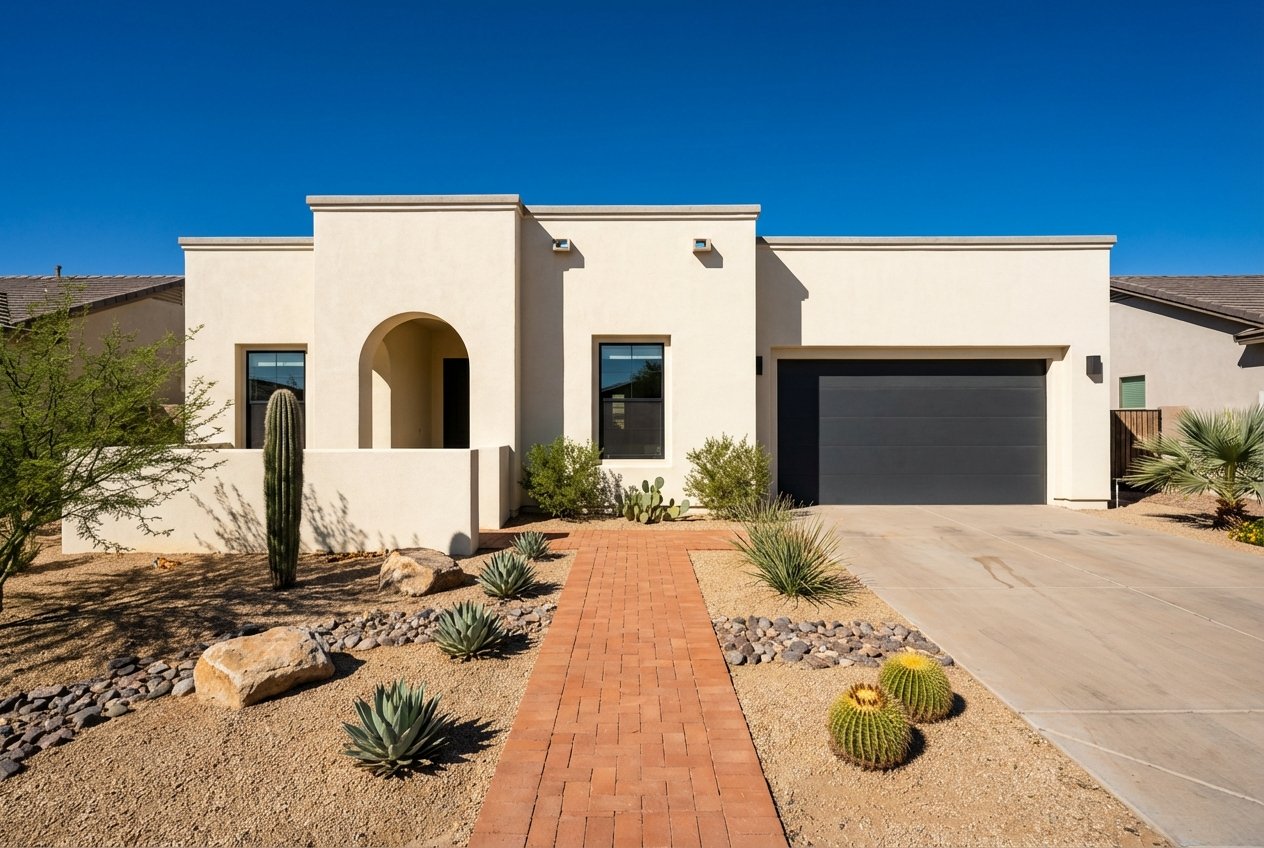
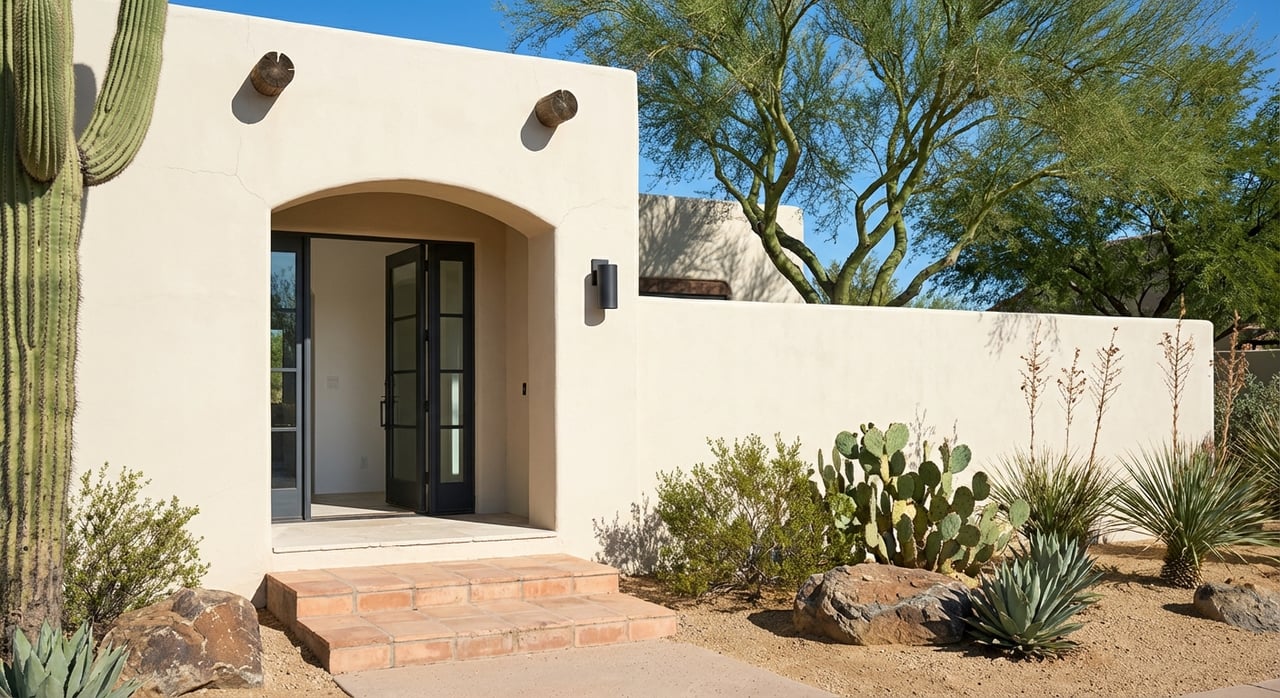
- Create a defined, inviting entry: use flagstone or large pavers to build a clean walkway with tidy edges.
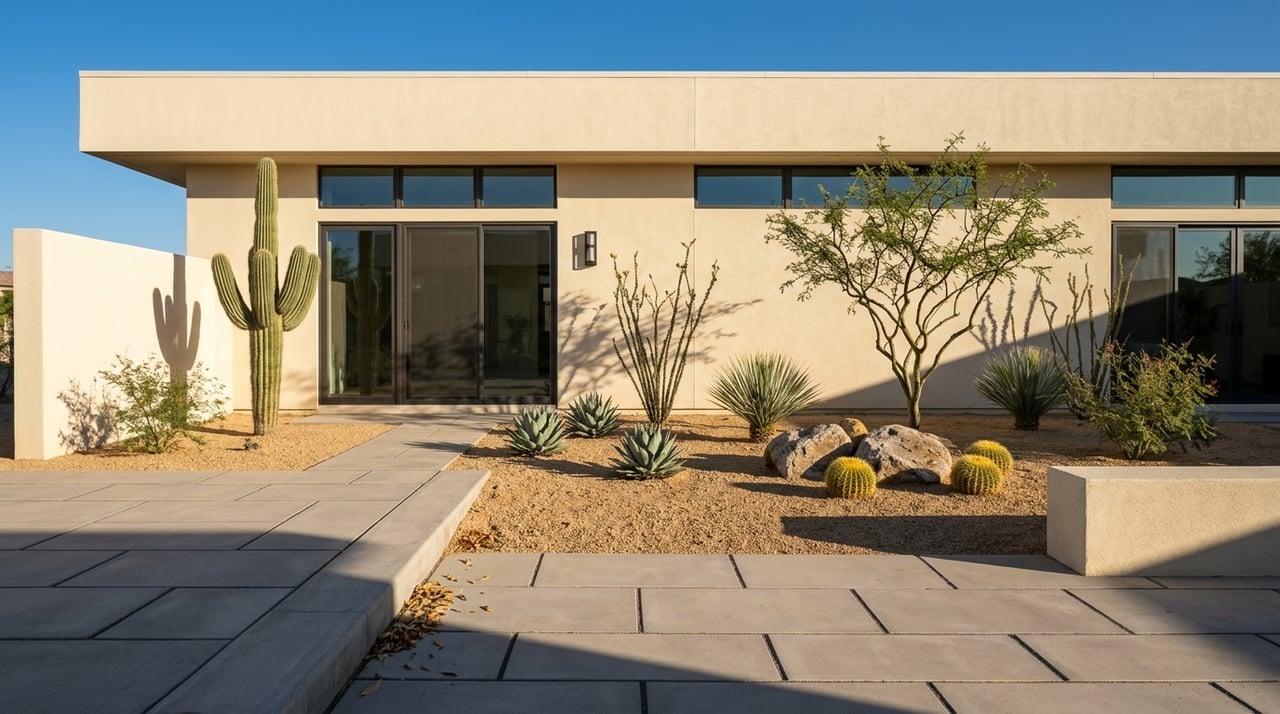
- Choose desert‑friendly surfaces: decomposed granite for planting areas and permeable pavers for patios look crisp and help water soak in.
- Add focal elements: a dry streambed, a few well‑placed boulders, or a specimen cactus can anchor the design.
- Light the way: low‑voltage LED or solar path lights highlight the entry and key plants for evening curb appeal.
- Keep sightlines open: prune or place shrubs to avoid blocking windows and the front door.
- Select mulch by plant needs: organic mulch helps keep soil cooler around many shrubs, while rock mulch is durable but can raise soil temperatures near heat‑sensitive plants.
A mature shade tree reads as valuable to buyers because it improves comfort and can reduce cooling needs. If space allows, one well‑placed canopy tree near the west or south exposure makes a big difference.
85704 plant list buyers love
Choose regionally adapted plants and match each choice to sun, reflected heat, and mature size. The right plant in the right place prevents overwatering and constant pruning.
Shade trees
- Palo verde: signature spring blooms and filtered shade, durable in heat.
- Mesquite: broad canopy for summer shade, classic desert character.
- Desert willow: elegant form with pink flowers that attract hummingbirds.
- Ironwood: long‑lived native specimen, slow growth and refined texture.
Flowering shrubs and accents
- Brittlebush: silver foliage and bright yellow flowers, very drought tolerant.
- Fairy duster: airy shape with red puff blooms that draw pollinators.
- Yellow bells: long blooming season and bold color near entries.
- Autumn sage: compact habit with hummingbird‑friendly flowers.
Succulents and cacti
- Agave: architectural focal points, choose size to fit your space.
- Prickly pear: sculptural pads with spring blooms, some with edible pads.
- Barrel cactus: rounded form for texture and seasonal color.
- Ocotillo: tall vertical accents with showy seasonal flowers.
Note: Large native cacti such as saguaro may be protected. Check rules before moving or removing any native specimen.
Groundcovers and grasses
- Deer grass: soft, mounding form that moves with the breeze.
- Blue grama and other native grasses: low‑water texture for open areas.
- Dwarf lantana: colorful groundcover in suitable microclimates.
Avoid invasive grasses like buffelgrass and fountain grass, which are highly flammable and push out native species.
Smarter irrigation that saves water
Drip irrigation is your best friend in Tucson. It delivers water right to the roots and cuts evaporation compared to overhead sprinklers.
- Convert spray zones to drip or micro‑spray and group plants by water needs so you do not overwater drought‑tolerant species.
- Use pressure‑regulated drip parts, correct emitter spacing for mature root zones, and check valves for even distribution.
- Install a smart or weather‑based controller and adjust seasonally. Reduce run times during the monsoon and in winter when plants need less.
- Inspect your system each season. A quick check for clogs, leaks, or broken lines protects plants and preserves savings.
Newly planted trees and shrubs will need more frequent watering for the first one to two years. After establishment, many native and low‑water plants need minimal supplemental water.
Timing, maintenance, and costs
Fall planting is ideal in Tucson because roots establish through cool months. Early spring can also work, but avoid major installations during peak summer heat. Plan for a little extra water and attention during the establishment period, then taper to a long‑term low‑water schedule.
Xeriscaped yards are lower maintenance than lawns, but not maintenance‑free. Expect occasional pruning, weed control, seasonal irrigation adjustments, and light debris cleanup. Check drip emitters once or twice a year and refresh mulch as needed for a clean, finished look.
Costs vary by scope. A simple turf removal with gravel and a few plants is more affordable than a full redesign with specimen boulders, mature trees, and new hardscape. Rebate programs can offset part of the cost, so confirm current availability and requirements with Tucson Water before you bid the work. When hiring, collect a few local estimates and ask for before‑and‑after examples.
Quick curb‑appeal checklist
- Remove weeds and tidy all bed edges.
- Power wash or sweep the driveway and walkways.
- Define a clear path to the front door with pavers or DG.
- Add two large accent pots with drought‑tolerant plants near the entry.
- Install low‑voltage path lights and a subtle uplight on a specimen plant.
- Refresh gravel or mulch for a clean, consistent finish.
- Update house numbers and give the front door a fresh, welcoming color.
Upgrade packages for every budget
- Quick refresh: weed, edge, and clean hard surfaces. Add two accent pots, a fresh layer of mulch or DG, and solar path lights. Great for weekend impact at low cost.
- Moderate makeover: remove or reduce turf, convert irrigation to drip, and plant 6 to 8 low‑water feature plants. Finish with a defined path to the entry and one small boulder grouping.
- Full redesign: new paver or flagstone walkway, specimen shade tree, custom drip with smart controller, boulder accents, and integrated LED lighting. Consider a dry streambed for stormwater control and drama.
Value, objections, and smart solutions
Well‑designed xeriscapes generally fit buyer expectations in Tucson and can improve curb appeal and perceived value. Buyers also respond to shade, a clear and welcoming entry, and mature plantings that soften the architecture. If a green play space is essential, consider a small, efficient turf area, a high‑quality synthetic patch, or a DG patio with a portable play mat. Choose low‑litter plants near the entry to keep cleanup simple and the front step neat.
Rules to review before you start
Check HOA covenants and community guidelines for front‑yard changes like gravel color, plant types, and hardscape additions. Confirm any city or county permits for significant hardscape work or large tree removal. Saguaros and some other native plants are protected, so review regulations before moving or removing any specimen. During drought periods, follow municipal watering schedules and restrictions to avoid fines and protect shared water resources.
Ready for a custom plan?
If you want a yard that shines in 85704 without the high water bill, you are not alone. Thoughtful design, the right plants, and a smart drip system can transform your curb appeal and support resale. For local guidance on what sells in Tucson’s foothill and Oro Valley neighborhoods, connect with Rebecca Maher. You will get tailored ideas, trusted vendor referrals, and on‑the‑ground insight into what buyers love right now.
FAQs
Will xeriscaping hurt resale value in Tucson?
- In most cases it will not, and a clean, well‑designed xeriscape often improves curb appeal and meets buyer expectations in the Tucson market.
How much water can turf conversion save in 85704?
- Many homeowners see outdoor water reductions of tens of percent after replacing turf with low‑water landscaping, though results vary by design and irrigation efficiency.
What is the best season to plant in Tucson?
- Fall is ideal so roots can establish through winter, and early spring can also work, while peak summer heat is best avoided for major installs.
Which beginner‑friendly desert plants work near 85704?
- Try brittlebush, fairy duster, autumn sage, agave, prickly pear, and deer grass, matching each to sun exposure and mature size.
Are there rules about removing saguaros in Pima County?
- Yes, many native cacti are protected, so always check local and state regulations before moving or removing any native specimen.
Do HOAs in 85704 allow xeriscape?
- Policies vary by community, so review your HOA’s CC&Rs and design guidelines before making visible front‑yard changes.
How long does a lawn‑to‑xeriscape conversion take?
- Small projects can wrap in days to a couple of weeks, while full redesigns with irrigation and hardscaping may take several weeks to a few months depending on scope.