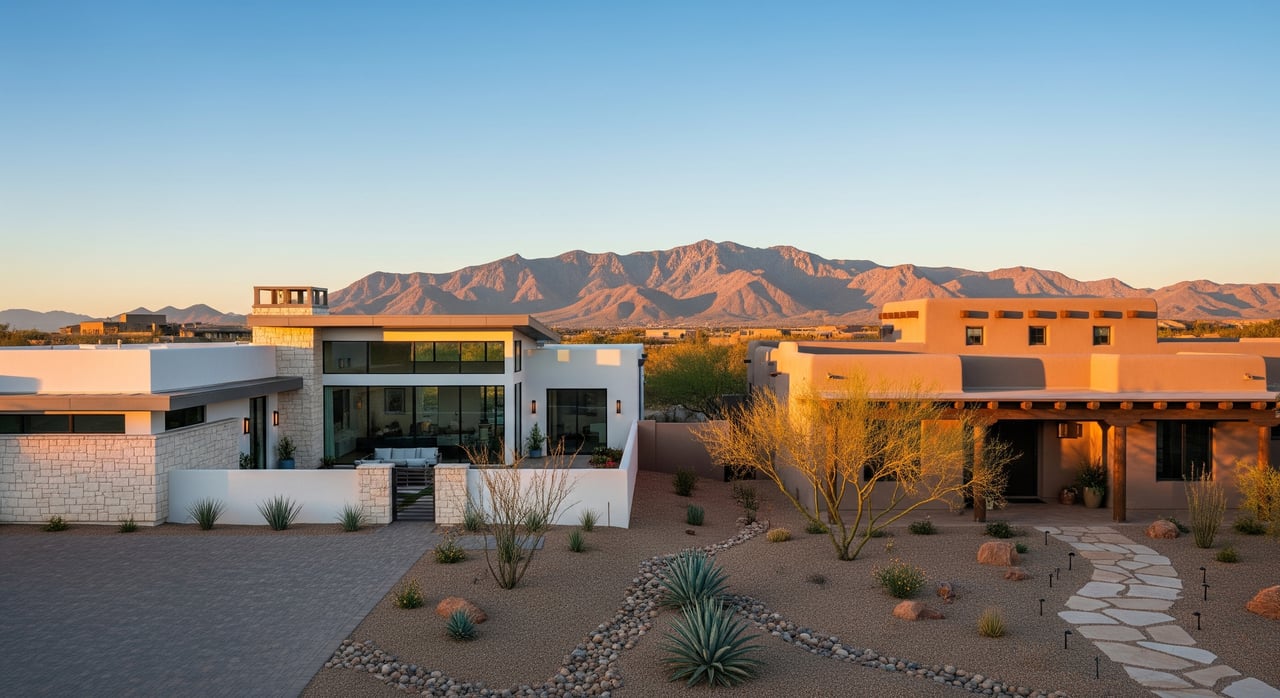
Oro Valley New Construction vs. Resale: Pros and Cons
December 11, 2025
December 11, 2025
Thinking about buying in Oro Valley and torn between a brand‑new home and a resale? You are not alone. Both paths can work well here, but each comes with tradeoffs in cost, timing, customization, and long‑term value. In this guide, you will compare key differences so you can choose with confidence and avoid surprises along the way. Let’s dive in.
| Factor | New Construction | Resale Home |
|---|---|---|
| Upfront price | Often higher price per square foot; premiums for view lots and upgrades; builder incentives may offset costs | Usually more room to negotiate; broader price‑per‑square‑foot range |
| Timeline to move | Months to a year or more; potential delays from materials, labor, or permitting | Faster closings; immediate or short escrow possible |
| Customization | Choose finishes, some layouts, and lot in many communities | Limited to existing home; renovations add cost and time |
| Maintenance & warranty | Lower near‑term maintenance; builder warranties often 1 year on workmanship and longer structural coverage depending on builder | Near‑term repairs more likely; inspection may lead to concessions or seller repairs |
| Financing & appraisal | Builder‑preferred lenders and incentives available; appraisals can be tricky with few comps | Straightforward appraisal with established comps; wide loan options if condition qualifies |
| HOAs & controls | Newer HOAs with modern amenities; rules can be strict and fees can be higher | Established rules and budgets; possible special assessments in aging HOAs |
| Energy & water | Built to current codes with efficient systems and water‑saving fixtures; desert‑friendly landscaping common | Older systems may be less efficient; mature landscaping can provide useful shade |
| Neighborhood maturity | Ongoing construction noise and limited shade early on; amenities may be planned | Mature trees, known traffic patterns, and established community character |
| Resale outlook | Modern features are marketable but personalization can limit appeal; appreciation may be slower until community matures | Historic sales data guides pricing; buyers may discount dated finishes or older systems |
New builds frequently list at a higher price per square foot than comparable resales. You may also see lot premiums for mountain views or privacy, plus upgrade costs for flooring, cabinets, and outdoor spaces. Builders sometimes offer incentives, such as closing cost contributions or rate buydowns, which can help offset the premium.
Resale homes often provide more negotiation room, especially if they have been on the market longer. The tradeoff is potential near‑term expenses for roof, HVAC, appliances, or pool equipment. Factor these into your budget so a lower purchase price does not surprise you later.
For new construction, confirm any impact or utility connection fees, HOA initiation costs, and estimated property tax assessments. These items can vary by subdivision and builder and may affect your total cash to close.
If you need to move within 30 to 60 days, resale homes usually offer the speed you want. New construction timelines can stretch from several months to over a year, depending on the builder’s schedule and permitting. Delays can happen due to material availability, labor capacity, or inspections.
Resale homes benefit from established comparable sales, which tends to make appraisals and financing smoother. For early phases in new subdivisions, appraisals can come in lower than expected if there are few closings to support the contract price.
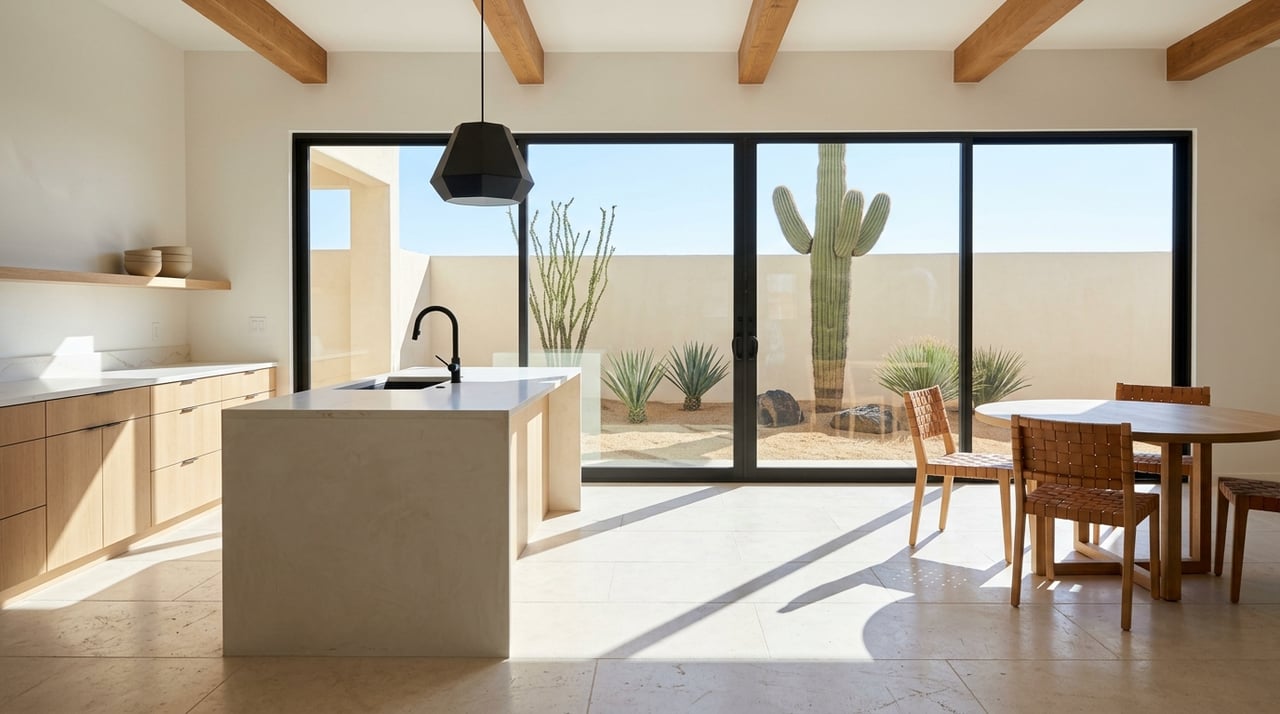
New builds offer modern layouts, open kitchens, larger primary suites, and flex spaces that work for home offices or fitness rooms. You can often select finishes and sometimes a preferred lot orientation. Keep an eye on how upgrades add up, since changes after contract can be costly.
Resale homes may come with mature landscaping, shaded outdoor spaces, and custom features that owners added over time. Some layouts can feel dated, and full remodels add time and disruption. Many Oro Valley buyers focus on easy single‑level living, outdoor entertainment space, views, and low‑maintenance landscaping.
With new construction, you can expect fewer near‑term repairs and a builder warranty. Many builders offer around one year of workmanship coverage and longer structural coverage, but terms vary by builder. Keep a punch‑list and understand warranty claim deadlines.
With resales, a thorough home inspection is essential. Older systems can mean higher near‑term costs, but inspection results can support repair requests or credits. Regardless of property age, consider specialized inspections for roof, pool, sewer or septic, and pest concerns where applicable.
Builders may partner with preferred lenders and offer incentives. If you plan a custom build, construction‑to‑permanent financing introduces extra steps and fees. Appraisals in new communities can be challenging when there are limited closings.
Resale homes in established neighborhoods typically appraise more predictably because comparable sales exist. FHA, VA, and Conventional financing are common for resales when property condition meets guidelines. For both new and resale, verify how Pima County assesses property taxes on new construction and when assessments adjust so you can plan your escrow and monthly payments.
Newer subdivisions often come with amenities like trails, clubhouses, and pools. They may also have strict design rules and higher initiation fees or dues. Confirm rules for solar installations, exterior paint, landscaping, and any restrictions that matter to you.
Established HOAs have track records and reserve studies you can review. Pay attention to meeting minutes and budgets to understand upcoming projects or special assessments. In Arizona, sellers must provide HOA documents for review in resale transactions, and new communities have developer‑control periods that define how rules evolve over time.
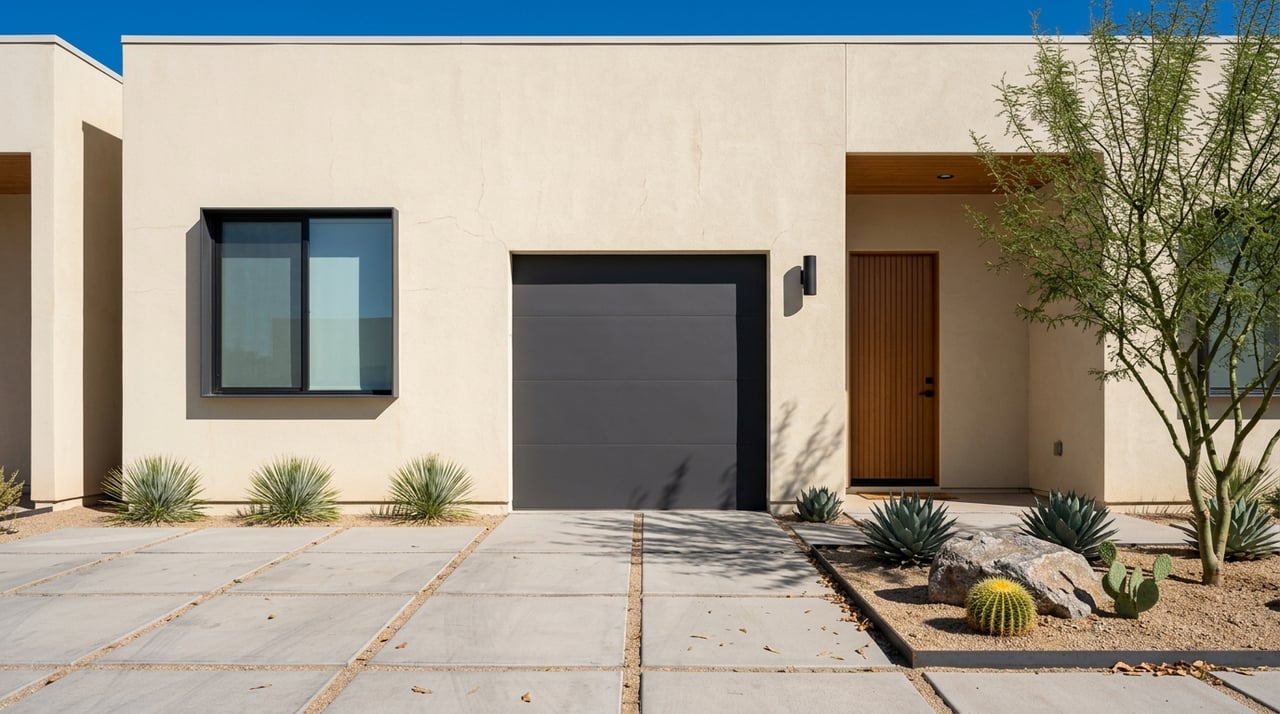
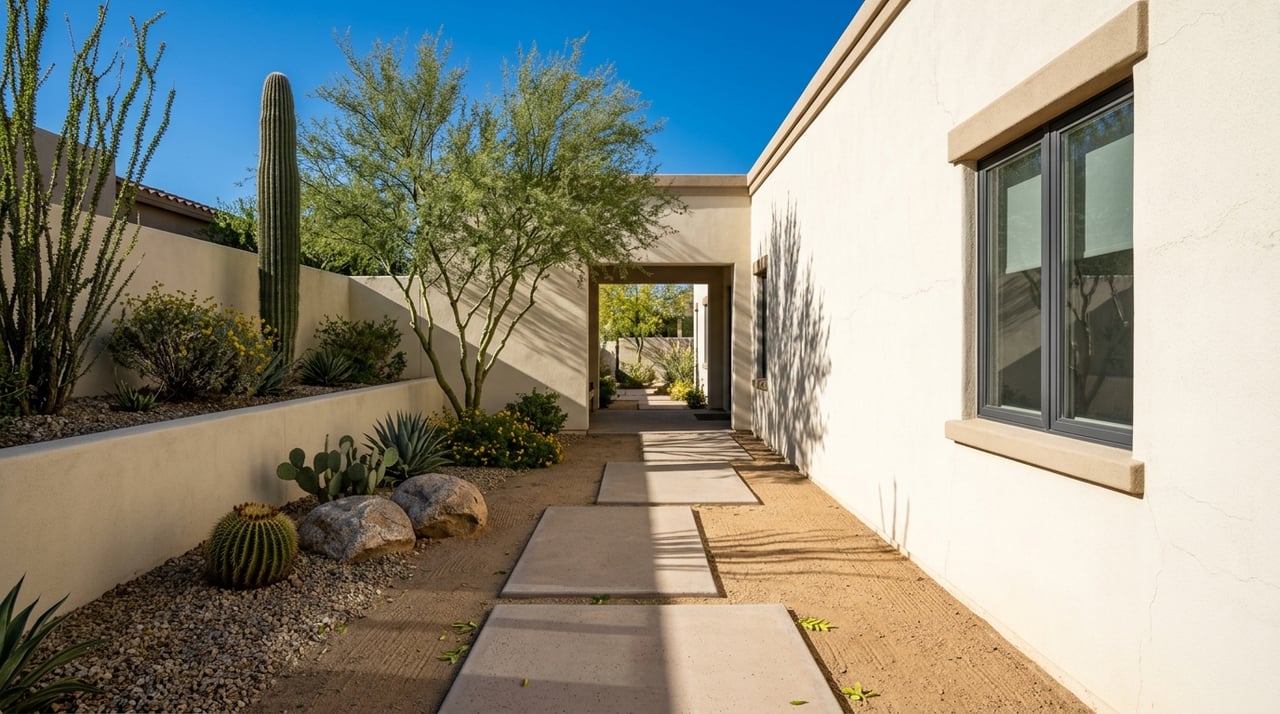
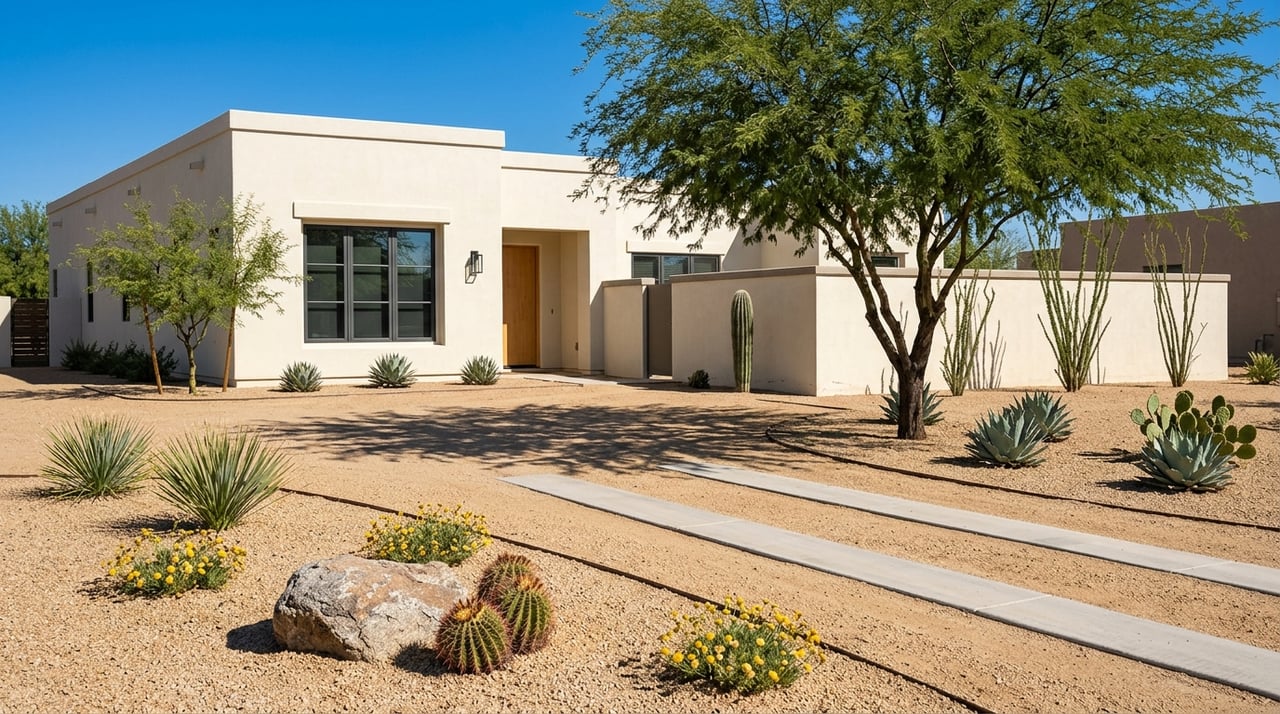
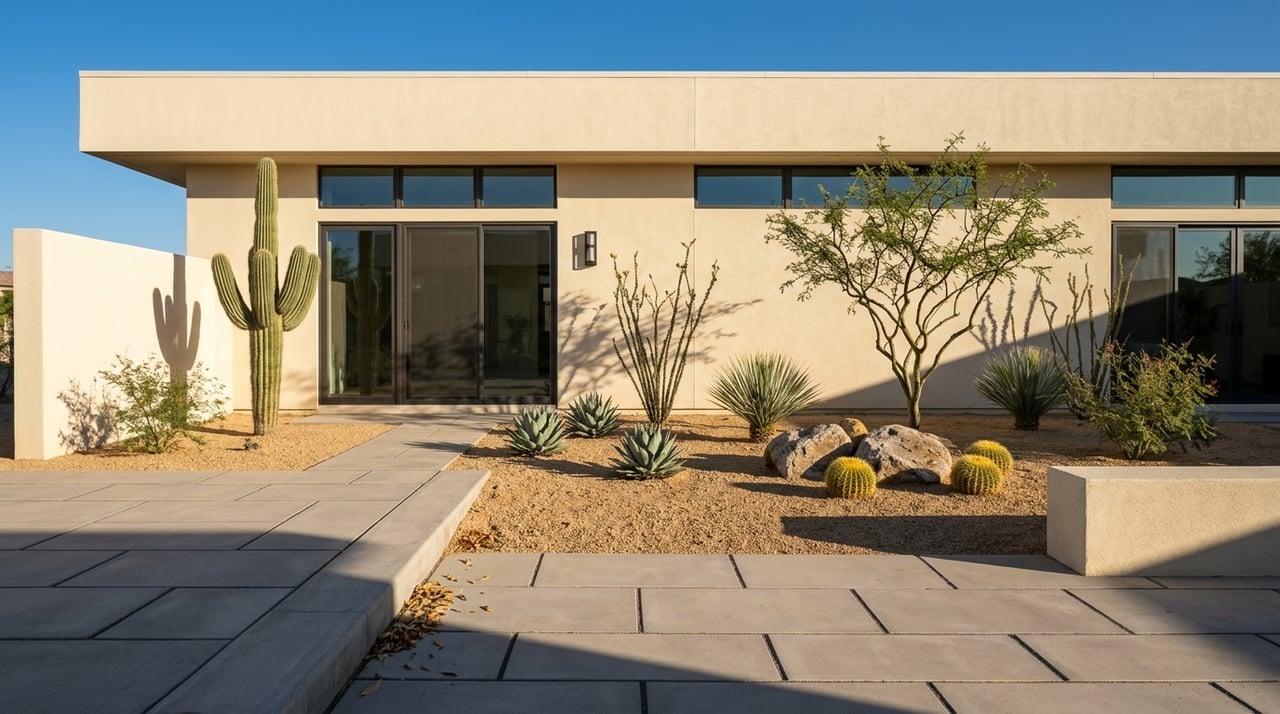
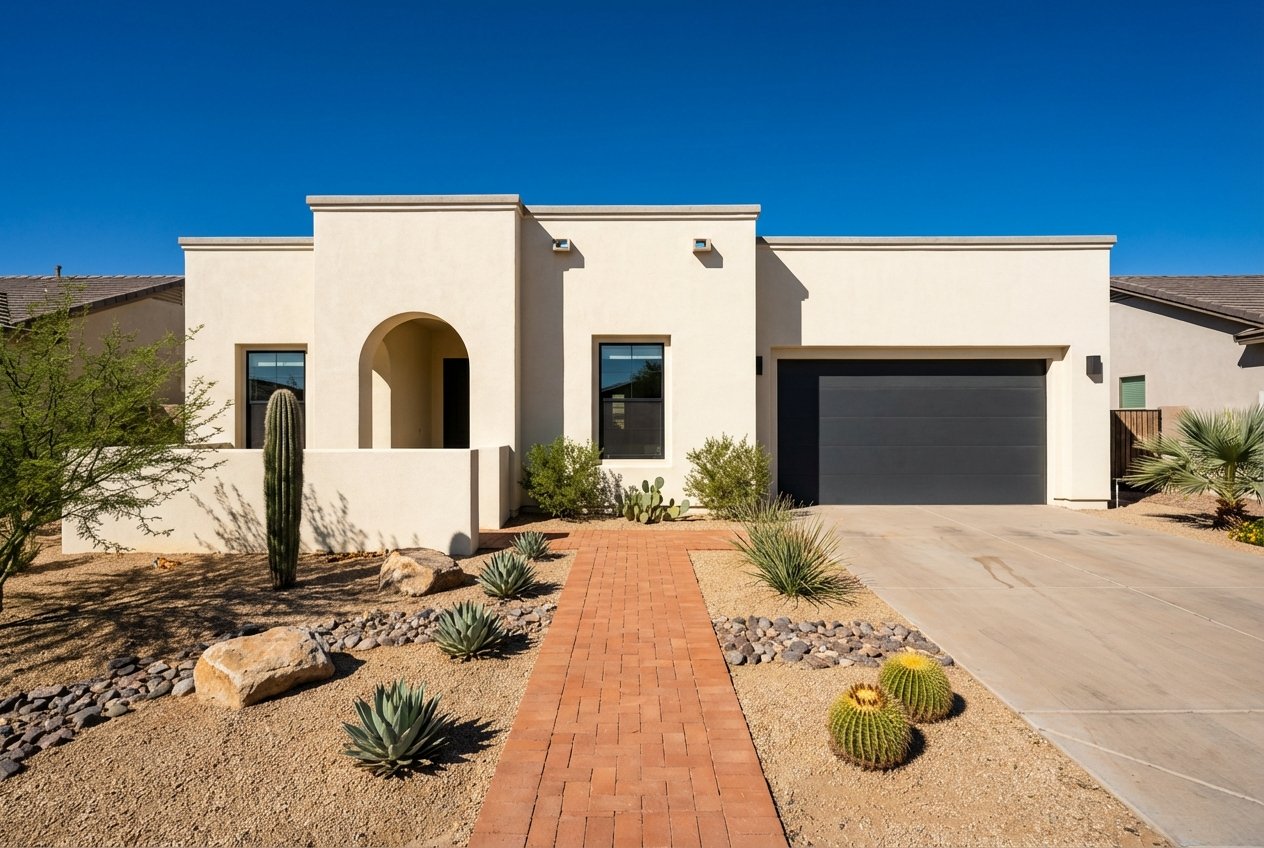
New homes are built to current codes that emphasize energy efficiency, HVAC performance, and water‑saving fixtures. Many communities encourage water‑wise landscaping suited to the Sonoran Desert climate.
Older homes may have less efficient systems but can benefit from mature shade trees and established microclimates. If you plan to add solar or upgrade systems, review HOA guidelines and utility interconnection requirements before you buy.
Arizona and Pima County often require proof of long‑term water supply for new development. In Oro Valley, confirm your water provider, meter setup, and any irrigation or landscaping limitations before finalizing your plans.
New projects may be sited near planned amenities, parks, or trail systems. Early phases can feel less private due to ongoing construction and minimal shade. Lot premiums are common for mountain or valley views, corner lots, or larger parcels.
Established areas offer mature landscaping, known traffic patterns, and predictable neighborhood character. Elevation, orientation, and setback can materially affect views and sun exposure in Oro Valley, so walk lots at different times of day.
New homes with open plans, energy‑efficient systems, and modern finishes generally show well when you go to sell. Over‑personalization can narrow buyer appeal and weaken short‑term resale in communities where many homes are similar until the neighborhood matures.
Resale properties benefit from historic sales data to guide pricing. Unique architectural character, views, and updated systems can drive interest. Buyers may discount dated finishes or older roofs and HVAC, so strategic upgrades can help you maximize value before listing.
Choose new construction if you:
Choose resale if you:
When you are ready to compare specific neighborhoods, timing, and total costs line by line, reach out for local guidance. With decades of experience across Oro Valley and Tucson’s lifestyle communities, Rebecca Maher can help you weigh your options and move forward with clarity.
Stay up to date on the latest real estate trends.

Whether you're buying, selling, or just exploring Tucson real estate possibilities, Rebecca Maher is here to help.