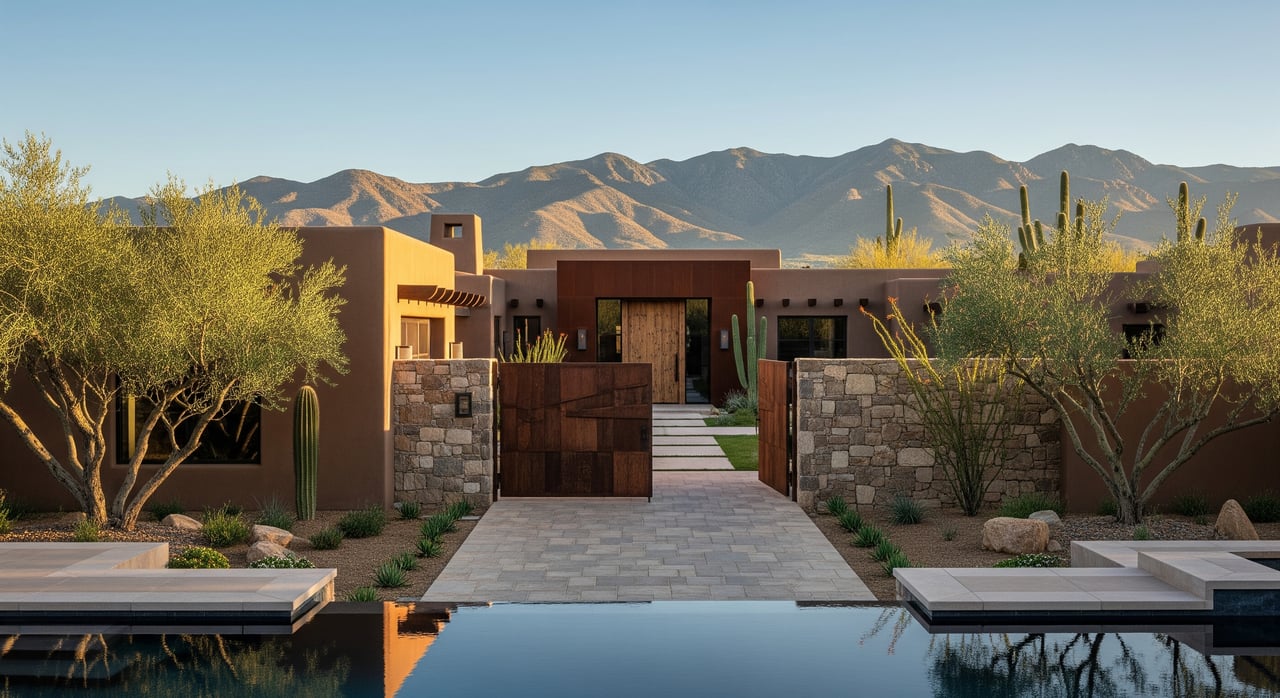
Title Insurance in Arizona for Tucson Homebuyers
December 18, 2025
December 18, 2025
You have your eye on a beautiful home in Tucson, but the title report looks like a foreign language. You are not alone. In Pima County, a clean title is just as important as a solid inspection, and it can protect your equity for years. In this guide, you will learn what title insurance is, how it works in Arizona, common Tucson risks to watch for, and the exact steps to review your title commitment with confidence. Let’s dive in.
Title insurance protects you from financial loss caused by defects in ownership that existed before you closed. Examples include undisclosed liens, clerical recording errors, forged signatures, unknown heirs, or improperly recorded easements. Coverage looks backward in time and typically lasts as long as you own the home.
There are two common policies:
Title insurance is different from homeowner’s insurance. Homeowner’s insurance covers physical damage after you own the home, while title insurance addresses hidden legal issues that predate your purchase.
Arizona is a community property state. How you take title matters. Options include individual ownership, joint tenants, community property, and community property with right of survivorship. Your choice affects survivorship rights, so discuss vesting with your agent or an attorney before closing.
In Arizona, local title companies typically handle the title search and serve as the escrow and closing agent. They coordinate payoffs, collect documents, and record the deed. After recording, your final policy is issued.
Mineral or subsurface rights can be reserved by past owners in some Arizona properties. These reservations can impact certain surface rights in limited ways. You should review any reservations or exceptions listed in your title commitment.
Homes in Tucson and ZIP 85749 often come with unique recorded documents that affect how you can use the property. Watch for these items in your title commitment:
Your commitment lists what will be insured, what is excluded, and what must be satisfied to close. Focus on two parts:
Key checks to make:
Ask your title officer for copies of all recorded documents listed as exceptions so you can review what they actually say.
Endorsements add protection for specific risks not covered in a standard policy. Common examples for Tucson include:
Endorsements usually cost extra and may require a recent survey. Ask your title company which endorsements fit your property type and location.
Title insurance is a one-time premium paid at closing. The owner’s policy is usually based on the purchase price and the lender’s policy on the loan amount. Rates follow company tables and can vary by insurer and endorsements.
Who pays is a matter of local custom and contract. In some markets the seller pays for the owner’s policy, but practices vary in Arizona. Confirm who pays during negotiations and put it in writing in your contract.
You can shop for title insurance. Compare premiums, the proposed exceptions, the endorsements offered, the speed and quality of the search, and client reviews. Use licensed companies and request written quotes.
A physical survey is not the same as a title search. Consider an ALTA or similar survey if you have questions about boundaries, fences, driveways, or encroachments. Some endorsements require a recent survey to extend coverage.
Unpermitted construction and most code issues are not covered by title insurance unless a recorded notice is involved and the policy addresses it. A permit check with local planning and building offices is a separate step from your title review.
If the title search finds a problem, the commitment will list what must be done before closing. This can include paying off liens, recording releases, or obtaining corrective deeds. Most issues can be cured with standard documents and timing.
If a covered defect is discovered after closing, notify the title insurer in writing right away. The insurer will investigate and may pay, settle with third parties, or take legal action to clear title as your policy allows. Keep copies of your recorded deed, closing documents, and any notices you receive.
Use this quick checklist as you move from contract to close in ZIP 85749:
Title clarity is not flashy, but it is foundational to a smooth closing. In northeast Tucson communities like Tanque Verde and the Catalina Foothills, local nuances matter, from wash easements to HOA rules and access rights. When you work with a seasoned advisor who knows how to read a title commitment and coordinate with trusted title partners, you save time and avoid surprises.
If you would like a calm, expert walkthrough of your title commitment and closing process, reach out to Rebecca Maher. You will get white-glove guidance shaped by decades of local experience and a network built for smooth results.
Stay up to date on the latest real estate trends.

Whether you're buying, selling, or just exploring Tucson real estate possibilities, Rebecca Maher is here to help.